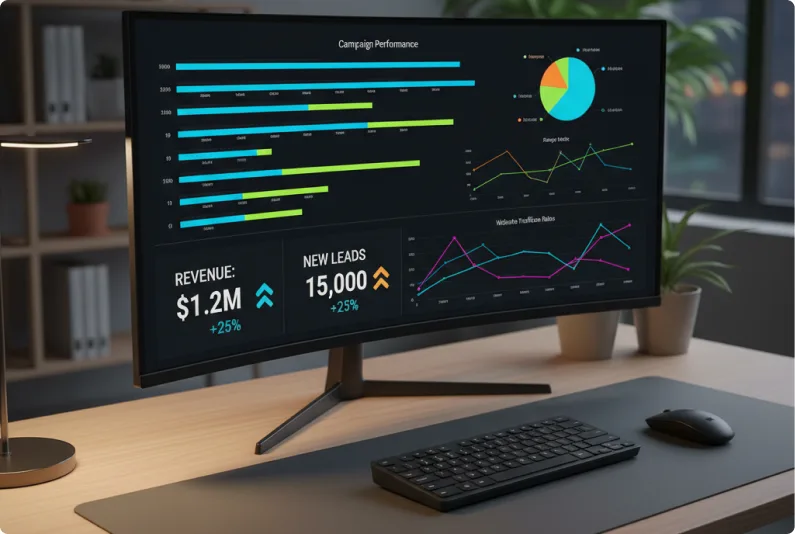
Registration and ticketing
Ticket types, pricing tiers, promo codes, group bookings and the attendee details each organizer needs. Payment and confirmation happen in one flow, so the attendee leaves with a ticket and the organizer gets clean data.

Industries
Arcforth takes on event management software development for organizers and event businesses that have outgrown stitching tools together. We design and build registration, ticketing and payments, check-in, attendee engagement and the operations console your team runs on event day. Mesmeride, the event operating system we built, has run 28K+ attendees through its platform.
Get a Free Product MapTicket types, pricing tiers, promo codes, group bookings and the attendee details each organizer needs. Payment and confirmation happen in one flow, so the attendee leaves with a ticket and the organizer gets clean data.
QR tickets, fast scanning at the door, duplicate detection and live admission counts. The staff app has to keep working when the venue Wi-Fi does not.
Agendas, session alerts, Q&A, feedback and sponsor connections for attendees, plus dashboards that show organizers sales, attendance and session activity before, during and after the event.
Event management software development means building the system an organizer uses to sell an event, admit people to it and run it, along with everything the attendee sees from the first confirmation email to the post-event survey. It usually starts because the organizer is juggling separate tools for registration, ticketing, email, check-in and engagement, and the data never lines up between them.
The goal is one attendee record that follows each person through the whole event. When registration, payment, check-in and session activity all write to the same place, organizers can answer simple questions, such as how many paid attendees actually arrived, without exporting four spreadsheets. A typical platform covers:
Ticketing looks simple until real money and real capacity are involved. The product has to hold a place while someone pays, release it if they abandon checkout, and never sell the same seat twice. It needs refunds, transfers, company invoices and discount rules that finance can reconcile later.
Most teams should not build payment processing themselves. A provider such as Stripe handles cards and payouts, and the event product handles everything around it: inventory, pricing rules, receipts and the attendee record. The decisions that matter are about your business model. Do you take a fee per ticket? Are organizers paid out per event or on a schedule? Those answers shape the data model, so we settle them in the Define stage rather than mid-build.
Event day is where the software is tested hardest. Queues form fast, venue Wi-Fi is unreliable and staff are often temporary. A check-in app needs large touch targets, instant feedback and a clear answer when a ticket is invalid, already used or valid for a different day. What we design for:
Mesmeride's event operating system brings registration, ticketing, attendee engagement and event operations into one platform. Because the organizer console and the attendee experience share the same data, the door count, the ticket sales and the session activity all tell the same story.
Event traffic is not steady. It arrives in spikes: the minute tickets go on sale, the morning of the event, the moment a popular session ends. A platform that copes for nine days a month and falls over on the tenth is not reliable, and this is the part of event management software development that is easiest to underestimate.
We design for those peaks from the first release. That means queueing and caching around ticket reservations, a database design that holds up under concurrent writes, load testing before a major on-sale, and a release calendar that keeps risky changes away from event days. Our notes on PostgreSQL for startups explain the database side, and our guide to zero downtime database migrations covers how to change the schema while tickets are still selling.
An eventtech development company should talk about event day as fluently as it talks about code. Questions worth asking before you sign:
Arcforth works as one product squad covering strategy, UX, engineering and QA, so the designer who maps your registration flow works alongside the engineers responsible for how it performs on the day. For larger platforms that need a long-term team after launch, our software product engineering service builds and runs products well past the first release.
Most event founders do not need a full platform on day one. A first release might be registration and ticketing for one event type, or a check-in and engagement layer on top of an existing ticketing tool. We pick the workflow that proves the business, prototype it and build it as a fixed-scope release, typically planned as a four-week build.
Our four-week MVP development process explains how that first build is planned week by week. If you want to see the riskiest flow before committing, you can request a free clickable prototype of your checkout or check-in journey.
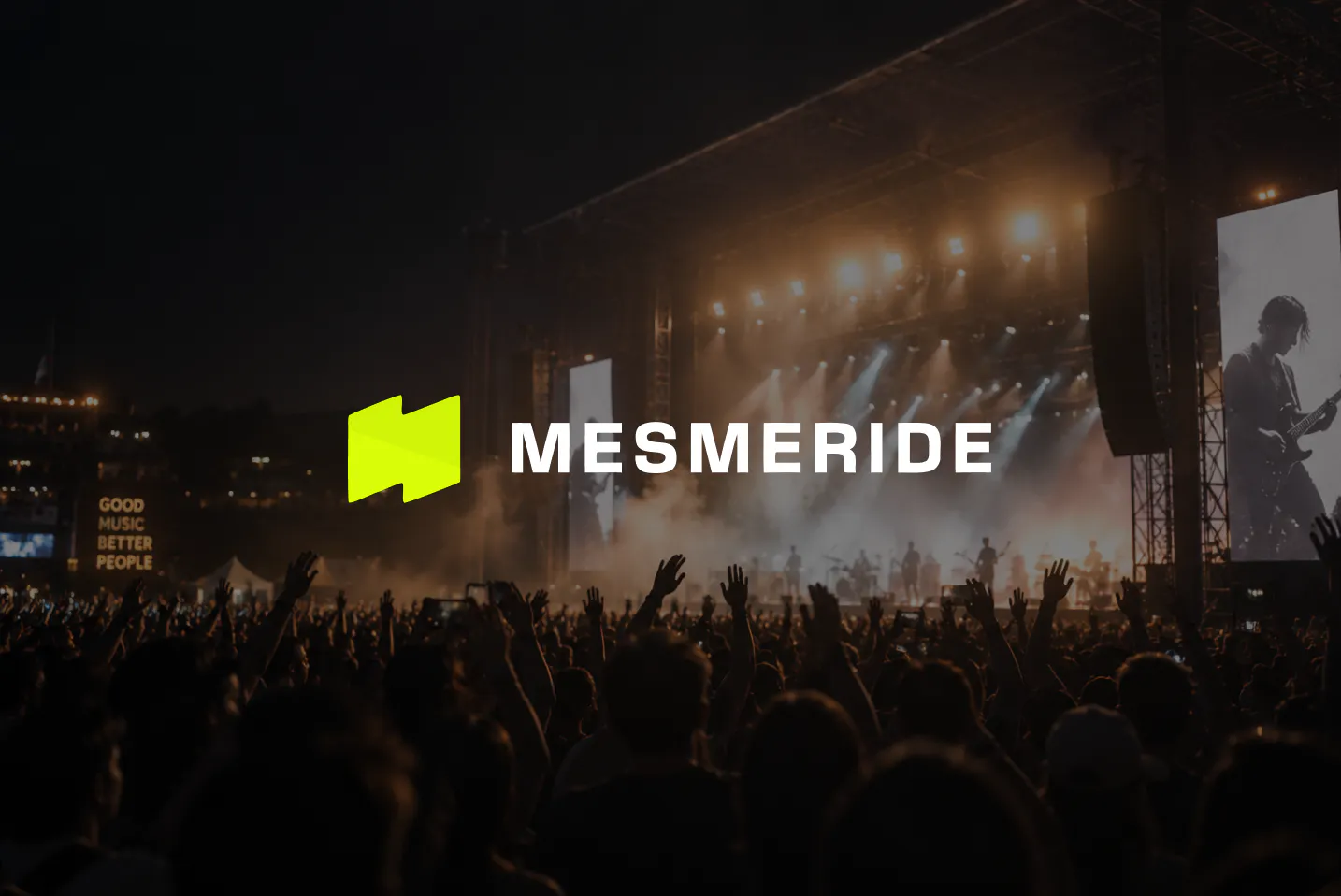
Registration, ticketing, attendee engagement and event operations in one platform.
View Mesmeride Case StudyMap organizer, staff and attendee roles around one event workflow, along with the payment and payout model.
Prototype the riskiest flow, such as checkout or door check-in, and test it with organizers and event staff.
Build registration, ticketing or check-in as a fixed-scope release, load-tested for on-sale spikes.
Run a first live event, watch the queues and dashboards, and prioritize the next operational fix.
A Product Pilot ($1,499 once) focuses on one workflow, core flows and prototype, build-ready requirements and an MVP roadmap. A Product Squad ($3,490 per month) supports ongoing product direction, design, engineering and iteration. An Embedded Product Unit (from $5,000 per month) adds capacity for larger products and multiple workstreams.
It depends on scope. Arcforth starts with a $1,499 Product Pilot that turns one event workflow into a clickable prototype, build-ready requirements and an MVP roadmap. The engineering build is scoped and agreed after the pilot, and ongoing product work runs through a Product Squad at $3,490 per month.
Yes. We integrate a payment provider such as Stripe for cards and payouts, then build the ticketing logic around it: tiers, promo codes, inventory holds, refunds, transfers and company invoices.
We design the scanner for poor connectivity, with offline scanning that syncs later, duplicate detection and live admission counts, and keep the staff interface simple enough for temporary staff and volunteers.
We plan for peak load from the first release, with queueing and caching around reservations, a database design for concurrent writes, load tests before major on-sales and no risky releases on event days.
Yes. Some organizers start with a check-in, engagement or reporting layer that connects to their existing registration or ticketing tool, then replace other pieces over time as the product proves itself.
Mesmeride, an event operating system that brings registration, ticketing, attendee engagement and event operations into one platform. More than 28K attendees have run through it.

If you have committed to a software venture and need a team to shape, build and keep improving it, start with a product conversation.
Human judgment. AI-native delivery. One team accountable from the first decision to every release.