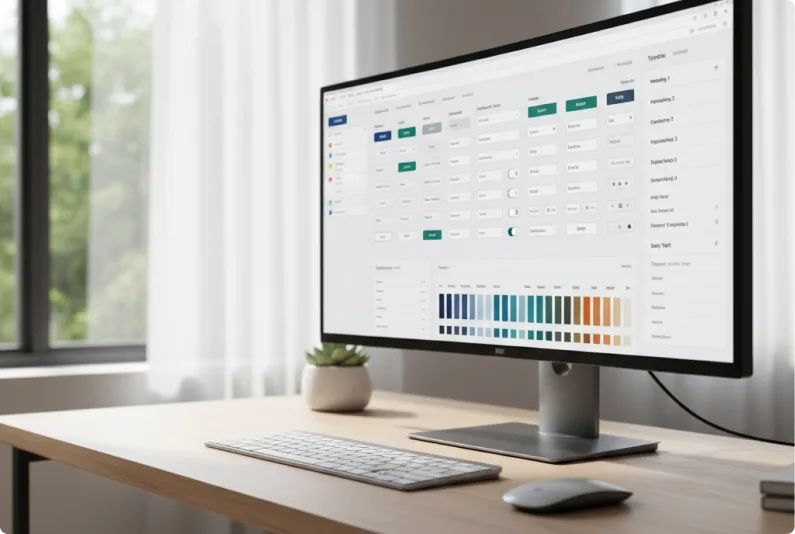
Cut the first release to one workflow
Separate the journey that proves the idea from the features that can wait. We agree the problem, the first user and the signal that would justify further investment.

Services
Arcforth is an MVP development company for founders and industry experts who already know what their market is missing. One senior squad covering product strategy, UX, engineering and QA takes your idea from a $1,499 Product Pilot to a fixed-scope first release, typically planned as a 4-week build, so real users get real software before your budget runs thin.
Get a Free Product MapSeparate the journey that proves the idea from the features that can wait. We agree the problem, the first user and the signal that would justify further investment.
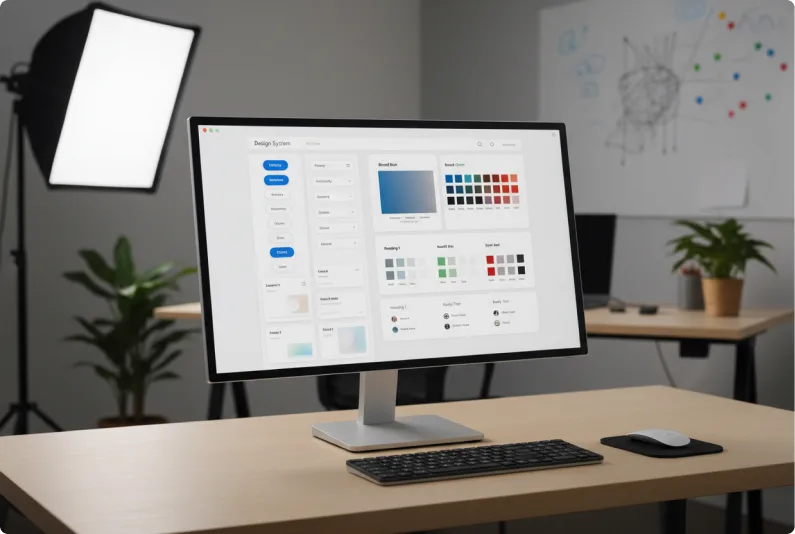
Make the core flow clickable before any production code. Where access allows, prospective users try it, so assumptions break on a prototype instead of in a build.
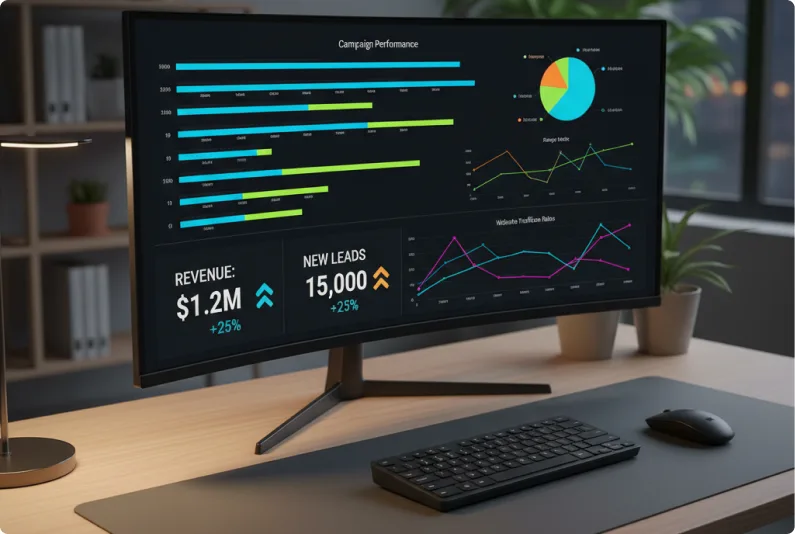
Turn the validated prototype into build-ready requirements, then build, test and launch the agreed scope with one team accountable for product, design, engineering and QA.
An MVP development company should reduce the risk of building the wrong thing, not just write code quickly. The job is to find the one workflow that proves your idea, make it tangible before it gets expensive, and ship it to real users with enough quality that their behavior tells you something. Our startup statistics show why that matters: CB Insights found poor product-market fit behind 43% of VC-backed startup shutdowns since 2023.
That is a product job as much as an engineering one. Most founders who come to us know their industry better than any outside team will. What they need is a team that turns that knowledge into a first release: someone to challenge scope, someone to design the flow, someone to build it properly and someone to test it before users do.
As an MVP development company, we run every engagement through the same four stages: Define, Validate, Build and Launch. Most founders start with the Product Pilot, a fixed-price $1,499 engagement that covers the Define and Validate work: one high-value workflow, a market and competitor scan, core flows and a clickable prototype, build-ready requirements and an MVP roadmap.
The engineering build is scoped and agreed after the pilot, from the requirements it produces. That order matters. A quote written before anyone has tested the core flow is a guess; a quote written from validated requirements is a plan. We typically plan the build as a fixed-scope 4-week release, and our fastest first release shipped in 3 weeks.
Our write-up of the MVP development process, week by week shows what happens in each of those weeks and what the founder does along the way. If you are not ready for a pilot, you can request a free clickable prototype. We review the request, agree the scope with you and deliver the prototype within 48 hours, so you have something concrete to show users or investors before you spend anything.
Agency quotes for a first version commonly run into five or six figures, and two quotes for the same idea can be far apart. The difference is rarely the hourly rate. It is how much of the scope is still unknown, and who carries the risk when those unknowns turn up mid-build.
Most MVP development services for startups are priced in one of three ways. A fixed bid from a long specification looks safe but tends to turn every new learning into a change request. Time and materials is flexible but puts the whole budget risk on you. A monthly team suits ongoing work but fits poorly with a first release that has no clear finish line.
We split the decision in two. The pilot is fixed at $1,499 and answers what should be built. The build is then priced against an agreed scope, or run through the Product Squad if you want ongoing design, engineering and iteration in weekly release cycles. Our guide to what it costs to build an MVP in 2026 breaks down typical ranges by MVP type, the drivers that move a quote and the running costs founders forget to budget for.
A good MVP development company will sometimes tell you not to build an MVP yet. A prototype tests whether people understand the solution and want it. An MVP tests whether they use it with real data and come back. A full product is what you build once the MVP has told you which parts matter. We wrote a longer piece on the difference between an MVP and a prototype and when each one earns its cost.
As a rule of thumb, start with a prototype when the main risk is demand or usability, and go to an MVP when the value only shows up with real data, real transactions or repeated use. AI products often fall into the second group: whether an assistant is useful depends on how it performs on your users' own documents, calls or images, which a static prototype cannot show. For AI-first ideas, our AI product development team adds evaluation, guardrails and usage cost planning to the same four stages.
Arcforth has launched 38+ products across 10+ markets, and client companies have raised $4M+ between them. A few first releases show how the approach plays out:
The pattern we follow on every build is the same: one workflow that has to work for one kind of user, with the rest of the roadmap deferred until real usage shows what to build next.
Whoever you hire as your MVP software development company, ask the questions that reveal how they handle uncertainty, because that is where first releases go over budget.
We are happy to be measured against this list. Under our terms, the code, designs and deliverables built for you become yours on full payment, and after launch you can keep the same people through a dedicated product squad or hand the work to your own team.
Choosing an MVP development company usually means weighing three options. Here they are compared on how the work is run rather than on hourly rates.
| Compared | Arcforth | Traditional agency | Freelancers |
|---|---|---|---|
| Who owns product decisions | You decide, with a product lead in the squad who challenges scope and helps choose what ships first and what waits. | Usually you, through a specification. The agency builds what the document says. | You, entirely. Most freelancers execute tasks rather than question them. |
| Time to first prototype | A free clickable prototype within 48 hours of an agreed scope; tested core flows inside the Product Pilot. | Typically after a paid discovery phase. | Depends on the person; design is often a separate hire. |
| Scope model | A $1,499 Product Pilot, then a fixed-scope build agreed from its requirements, or the $3,490 per month Product Squad for ongoing work. | A fixed bid from a long specification, or time and materials. Changes go through change requests. | Hourly or per task. Scope tends to grow with each new request. |
| Design, engineering and QA in one team | Yes. Product, UX, full-stack engineering and QA work in the same squad and the same weekly cycle. | Often, though split across departments with handoffs between them. | Rarely. You find and coordinate separate people. |
| How you see progress | Working software reviewed with you every week. | Milestone demos and status reports. | Whatever each person chooses to share. |
| What you own at the end | The prototype, requirements and roadmap from the pilot, then the code, designs and documentation built for you once paid for. | Usually the code and specification, subject to the contract. | The code in whatever state it was left, with documentation that varies. |
An AI platform where designers productize their style and homeowners try it in their space.
View Livespace.ai Case Study
Registration, ticketing, attendee engagement and event operations in one platform.
View Mesmeride Case Study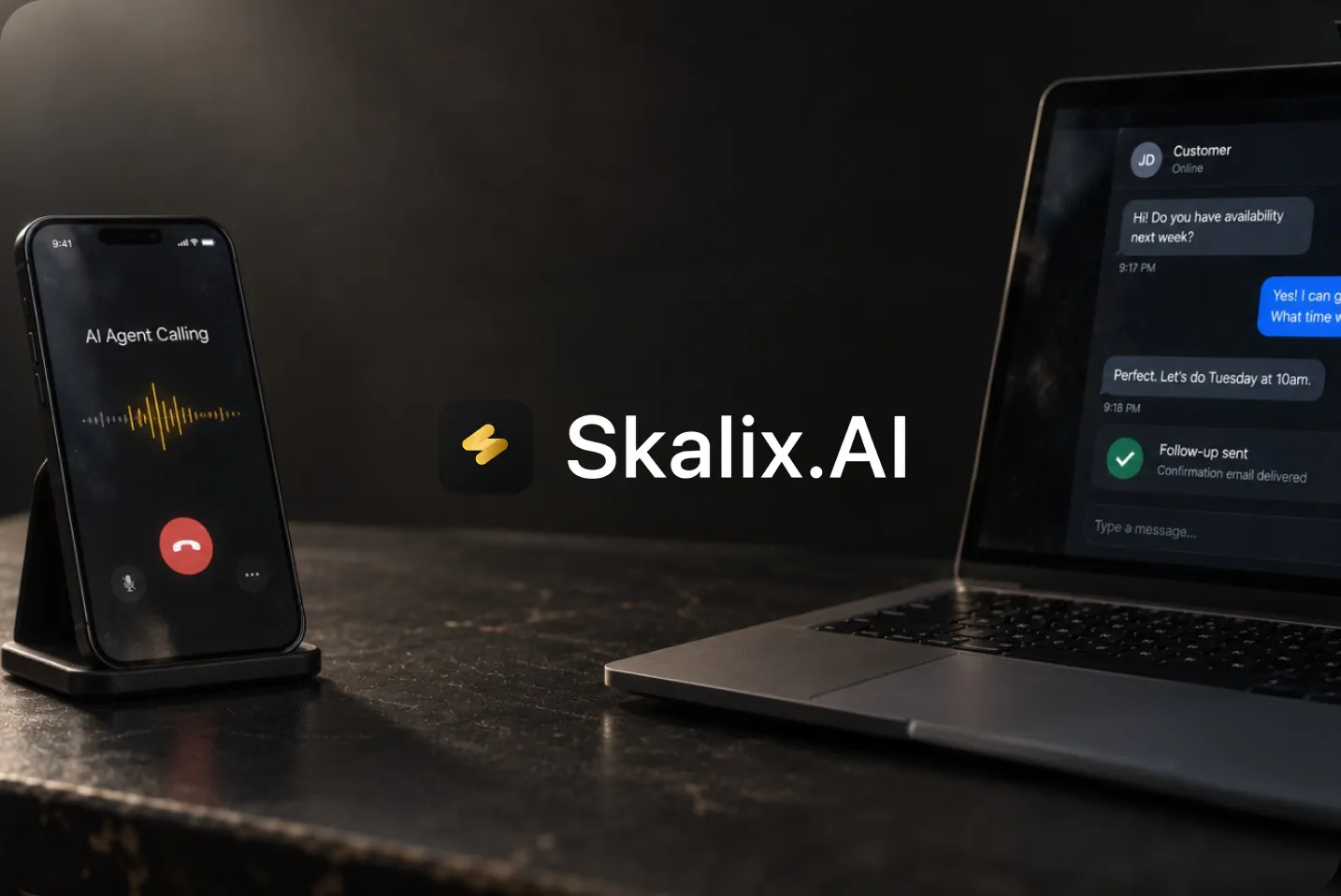
An AI-native revenue platform for calls, chat and customer follow-up.
View Skalix AI Case StudyChoose one high-value workflow, the first audience and the signal that would justify building more.
Prototype the core flow, scan market alternatives and test the riskiest assumptions with prospective users.
Turn the validated direction into build-ready requirements, then build and test the agreed fixed scope.
Release to real users, read what they do, and decide what to improve, expand or cut next.
A Product Pilot ($1,499 once) focuses on one workflow, core flows and prototype, build-ready requirements and an MVP roadmap. A Product Squad ($3,490 per month) supports ongoing product direction, design, engineering and iteration. An Embedded Product Unit (from $5,000 per month) adds capacity for larger products and multiple workstreams.
With Arcforth, most founders start with the Product Pilot at $1,499 once. It covers one high-value workflow, a market and competitor scan, core flows and a clickable prototype, build-ready requirements and an MVP roadmap. The engineering build is scoped and priced after the pilot, from those requirements, so the quote describes the real first release instead of a guess. Ongoing work runs through the Product Squad at $3,490 per month, and larger products through the Embedded Product Unit from $5,000 per month.
We typically plan an MVP as a fixed-scope 4-week build that starts after the Product Pilot, and our fastest first release shipped in 3 weeks. Skalix AI went from build to launch in 4 weeks. Timelines stretch when the core workflow is still undecided, when native iOS and Android apps are both needed at launch, or when a third-party integration has no test environment, which is why the pilot settles scope before the build starts. A free clickable prototype can be ready within 48 hours of an agreed scope.
The $1,499 Product Pilot includes one high-value workflow, a market and competitor scan, core flows and a clickable prototype, build-ready requirements and an MVP roadmap. It answers what the first release should be before any engineering budget is committed.
No. The pilot defines a buildable direction. The complete engineering scope and delivery engagement are agreed separately once the workflow and requirements are clear, either as a fixed-scope build or through the monthly Product Squad.
Yes. We can review the prototype, identify the assumptions it leaves open and focus the pilot on the decisions that stand between it and a usable first release.
Most of the difference is in how scope is handled. As an MVP development company, we put one squad on product strategy, UX, full-stack engineering and QA, and it starts by questioning scope rather than pricing a specification. You get a fixed-price pilot and a clickable prototype before committing to a build, the build scope is agreed from what the pilot showed, and the code, designs and deliverables built for you become yours once they are paid for.
Yes. Skalix AI and Livespace.ai are both AI products we built. AI MVPs follow the same Define, Validate, Build and Launch stages, with extra work on evaluation, guardrails, human handoff and usage cost planning. Our AI product development service covers these projects in more detail.
Yes. We work with founders in the US, the UAE and the UK, agree core overlap hours with your time zone so reviews and decisions happen in your working day, and contract company to company. JoinClan, a US personal-branding service, went from idea to MVP in 3 weeks with us.

If you have committed to a software venture and need a team to shape, build and keep improving it, start with a product conversation.
Human judgment. AI-native delivery. One team accountable from the first decision to every release.