Specify the record you need
Name the fields, validation rules and destination record. Distinguish extracting information from making a business decision about it.

Services
A supplier quote, request or report is useful when the right information reaches the business process. Arcforth scopes document-assisted workflows that show their sources, expose missing information and keep people in control of the next action.
Name the fields, validation rules and destination record. Distinguish extracting information from making a business decision about it.
Let the reviewer inspect where a proposed field came from and correct it. Missing or contradictory evidence needs a visible state.
Agree whether accepted information creates a draft, updates a record or requests approval. The model does not decide its own authority to act.
Start with a document type and a task the business already performs. For example, an operator may read a supplier quote, enter the relevant lines into a request and ask someone to approve it. List the variants, the fields needed downstream and the errors that cause rework today. Decide what the system should do when a document is unsupported.
Do not treat every PDF as the same input. Scanned pages, tables, corrections and several currencies can change the review work. The useful first release covers an agreed document family and a clear destination, with measured gaps. It does not need to promise general understanding of every file a user can upload.
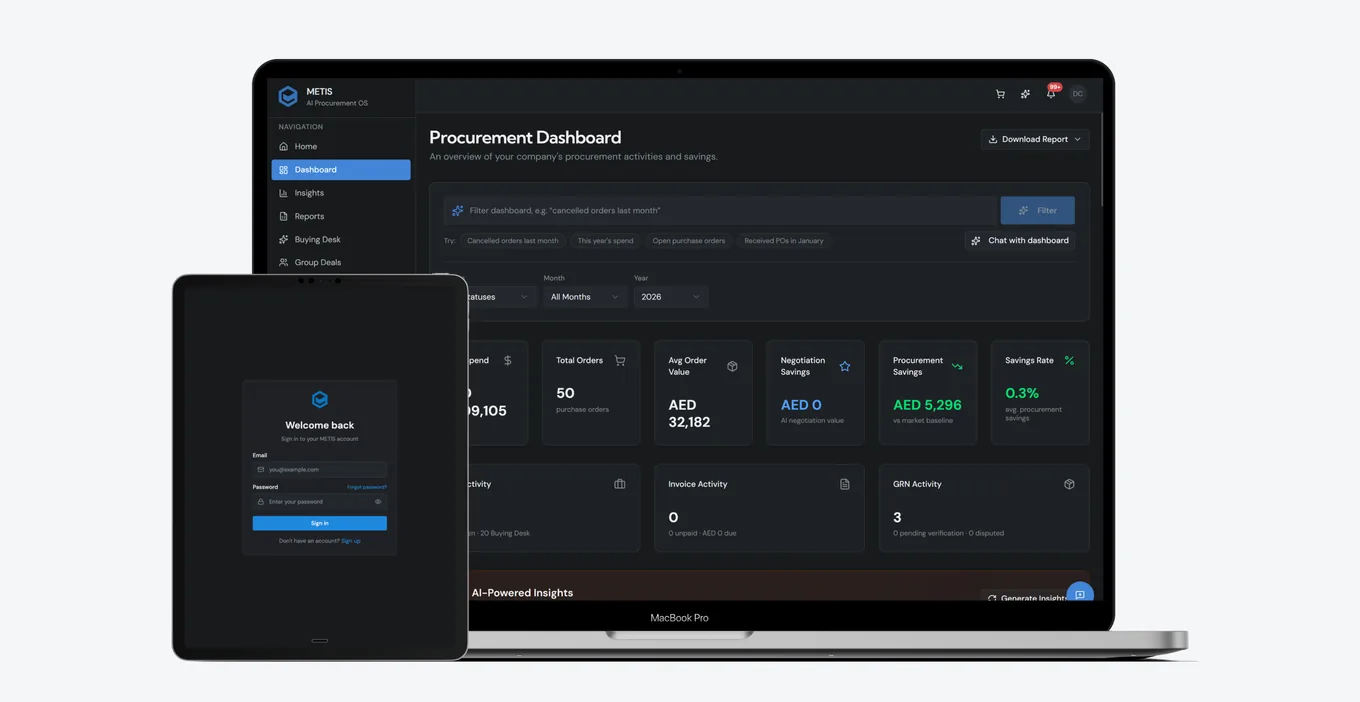
Imagine a supplier quote entering a procurement workspace. The system proposes supplier, line items, amount and currency, links the proposed values to evidence and asks an operator to accept or correct them. Only accepted information is used to prepare the request. This is a scoping example, not a claim that these features are present in a particular case study.
| Input problem | Expected review behavior |
|---|---|
| A required value is absent | Mark it as missing instead of inventing a value |
| Two totals conflict | Expose the conflict and supporting locations |
| The document is submitted twice | Apply the agreed duplicate policy before creating another request |
| Posting to the destination fails | Keep a visible pending result with an operator recovery route |
Evaluate proposed fields against approved examples, including difficult layouts and missing information. Track how often a reviewer corrects the result, the time needed to accept it and what happens after acceptance. A useful extraction score can still conceal a workflow that costs more human effort than the current process.
The LLM evaluation guide helps define representative checks. The AI pilot cost example includes review and fallback effort. Agree permitted data, retention, access and review roles with the people responsible for the product before choosing the processing route. Keep the first release’s supported inputs and known limitations explicit.
CollectiveSpend provides related procurement product experience across sourcing, RFQs, approvals and purchase orders. It demonstrates the importance of a structured business process around supplier information; it is not being presented here as an extraction-accuracy benchmark.
Bring the document family, an approved description of the fields, examples that may be shared for assessment, the destination system and the human review process. Include the cases that fail today. If the document feature belongs inside a live product, start with AI feature integration. If most of the work is moving accepted records between systems, compare integration development.
DueDraft’s AI legal software development case study follows a company questionnaire, contextual NDA drafting, an editable comparison view and the saved contract repository. Its client–CA document exchange also shows how a request, uploaded evidence and professional review stay connected. This is a document creation and review example alongside the extraction workflow described above.
A tailored procurement platform spanning sourcing, RFQs and purchase orders.
View CollectiveSpend Case StudyDefine one document family, destination record and review owner.
Evaluate representative examples and agree missing, conflicting and unsupported-input behavior.
Build the review, validation and destination handoff with acceptance evidence.
Pilot the agreed scope and review corrections, operating effort and failures.
A Product Pilot ($1,499 once) focuses on one workflow, core flows and prototype, build-ready requirements and an MVP roadmap. A Product Squad ($3,490 per month) supports ongoing product direction, design, engineering and iteration. An Embedded Product Unit (from $5,000 per month) adds capacity for larger products and multiple workstreams.
No universal accuracy promise is appropriate. Define the supported documents, field checks, review process and acceptable error boundaries, then evaluate representative examples from the actual task.
Approval authority is a separate business decision. Agree what the system may propose, which actions require a person and which validated records may move downstream.
Describe the document family and required fields first. Agree an authorised assessment route and suitable examples before sharing sensitive records or granting access.

If you have committed to a software venture and need a team to shape, build and keep improving it, start with a product conversation.
Human judgment. AI-native delivery. One team accountable from the first decision to every release.