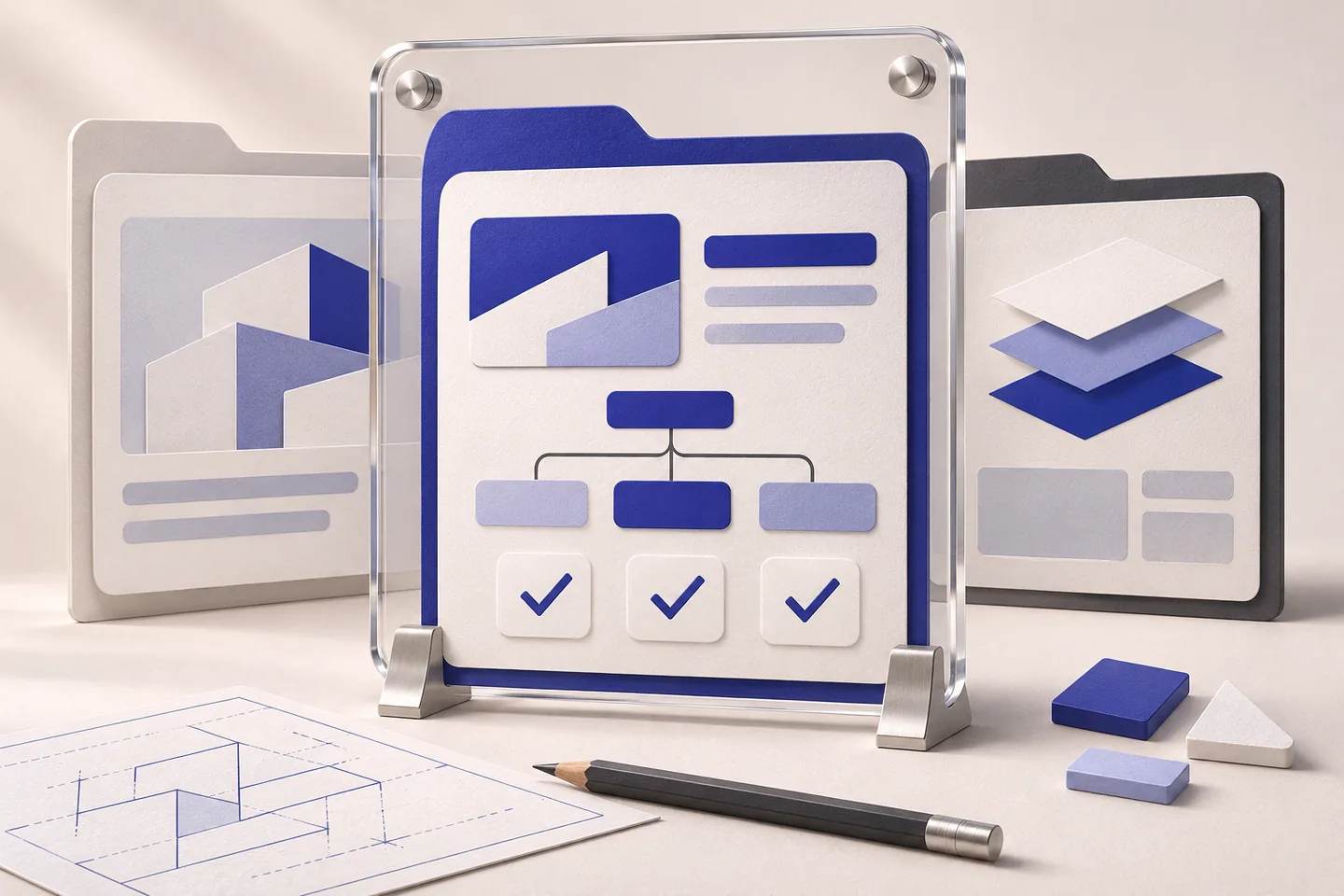
Turn domain knowledge into scope
Map how the work happens today, identify the users and choose the smallest useful workflow. Write down the assumptions a prototype or pilot needs to test.

Services
You know the customers, the workflow and the opportunity. We bring product strategy, UX, engineering and QA to turn that knowledge into software. From the first prototype to ongoing releases, one team works through the product decisions with you.
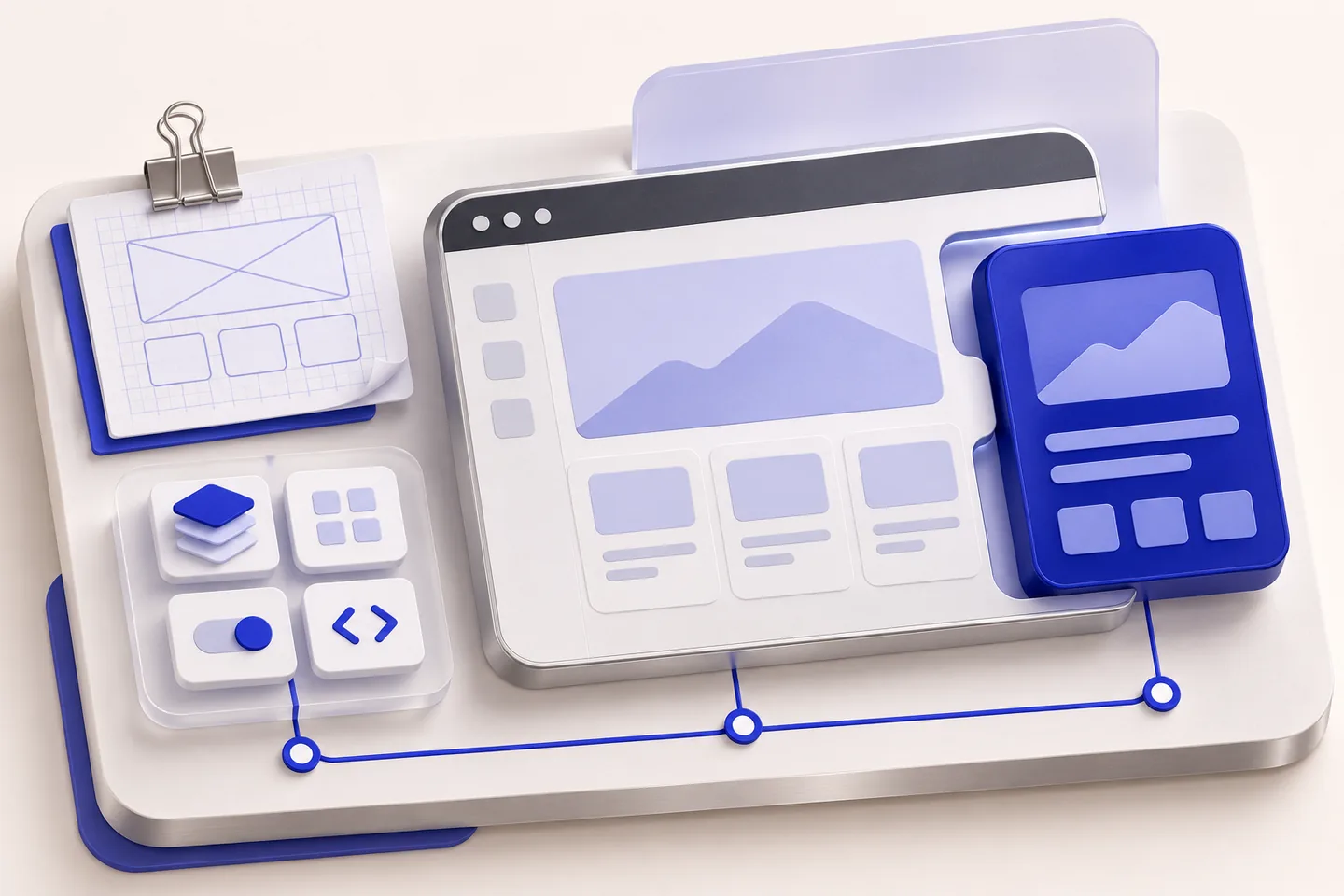
Map how the work happens today, identify the users and choose the smallest useful workflow. Write down the assumptions a prototype or pilot needs to test.
Keep the roadmap, designs, data model and implementation aligned. Make trade-offs visible before they become expensive changes in a live product.
Review usage, customer feedback, defects and operating costs together. Agree the next release against the priorities that matter to the business.
A non-technical founder should not have to become the interface between separate developers, designers and testers. Before comparing proposals, identify who will translate your domain knowledge into priorities, make technical decisions, design the workflow, test it and prepare the release.
If you mainly need architecture review or hiring guidance for an existing team, a fractional or outsourced CTO can be a relevant option. If you need people to carry the agreed work through design, engineering and QA, compare the actual delivery team as well as technical advice. Our CTO service guide explains the role distinction.
For Arcforth's paid technical partnership, bring the current workflow, customer access, budget range and target decision date. The first proposal should identify the work included, named responsibilities, dependencies, acceptance evidence and handover expectations. The delivery-model comparison and responsibility brief can help you assess those boundaries.
Before committing, use the technical partner evidence brief to record what the candidate actually demonstrated, what remains unverified and who owns the next decision. Our partner selection guide works through the difference between a networking badge and ticket-admission evidence.
Arcforth delivers remotely for founders and product teams, with working-hour overlap agreed for each engagement. For market-specific planning, review our Australian product delivery guide or European product delivery guide, and agree the relevant city, time zone and review schedule. Before a build starts, we identify who makes product decisions, when reviews happen and who owns releases, access and ongoing support. For Dubai and UAE workflows, inspect our CollectiveSpend procurement work and Dubai product delivery guide; agree Gulf Standard Time review overlap and the people who can accept the release.
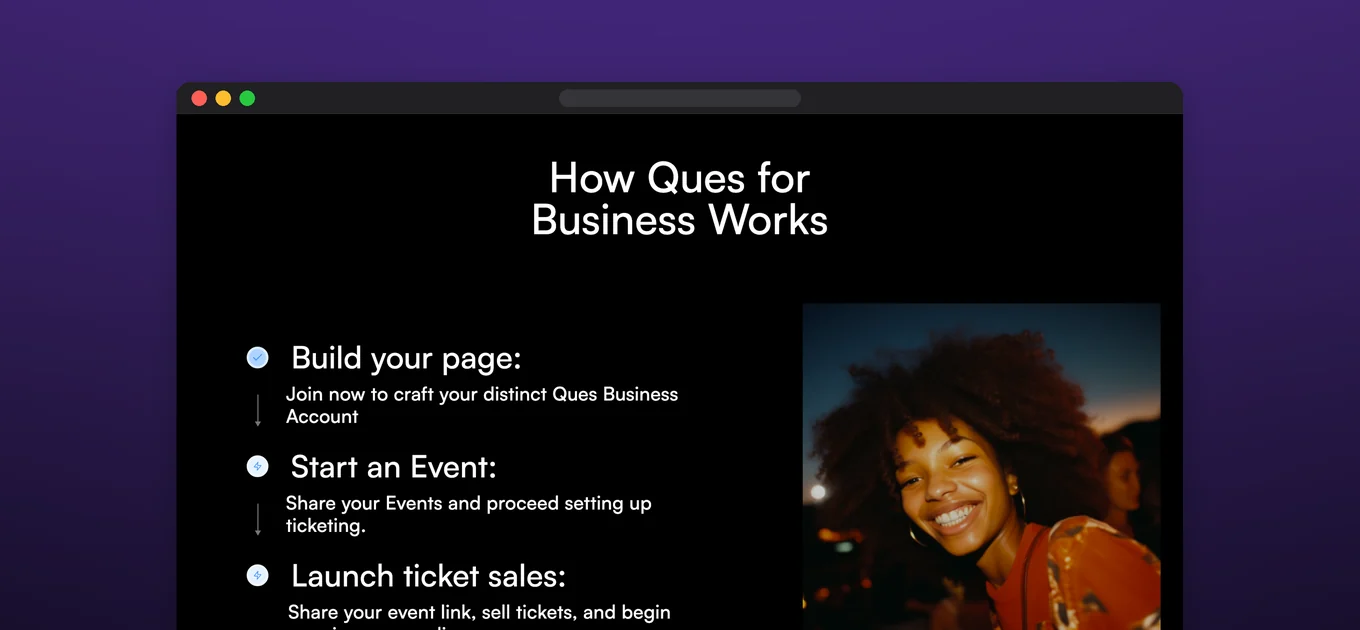
For US product examples, explore JoinClan's founder content workflow and the Organic Soda Pops wholesale marketplace. For a UK example, Ques.uk connects student event discovery, organizer tools, ticketing and QR entry. These case studies show the workflows and interfaces our team built.
Use the MVP proposal checklist to compare scopes and responsibilities, and the in-house versus outsourced development guide to choose a delivery model.
If you already have a technical lead and need engineers working inside your existing delivery setup, see our arrangements for US teams and UK teams. If you are defining your first release, the MVP and Product Pilot is the more relevant starting point.
A technical partner for startups takes responsibility for the decisions between a product idea and a dependable release. That includes deciding what to build first, how users move through it, which systems it connects to, how it is tested and who supports it after launch.
For a non-technical founder, the useful output is a product you can evaluate without having to translate every requirement into a development ticket yourself. You should be able to see the current priorities, understand the major trade-offs and try the work as it progresses.
At Arcforth, this work connects product strategy, UX, full-stack engineering and QA. A dedicated product squad provides the ongoing delivery team; the technical partnership describes the wider responsibility for helping you make and carry through those decisions.
This works well when you can explain a real problem, reach people who experience it and make time for product decisions, but do not yet have the team to build and operate the product. It can also help when a live product needs a consistent team and its founder has become the coordinator between several contractors.
If the main uncertainty is whether anyone needs the product, begin with research and a prototype. If you already have strong technical leadership and a defined engineering backlog, engineers embedded in your existing team may be a better starting point.
A useful engagement starts with a shared brief. We identify the first user, the problem being solved, the workflow included in the first release and what can wait. Dependencies such as payment providers, existing software, data access and customer approvals need owners.
The release plan should include acceptance criteria, environments, access arrangements, a testing approach and a way to recover from a failed deployment. Hosting, paid APIs and ongoing support need to be discussed alongside development cost.
For the commercial agreement, make sure ownership of project work, payment terms, third-party licenses, support boundaries and transition arrangements are written down. Keep the repository and infrastructure access arrangements explicit so the product can continue when your team changes.
A founder saying “we need ticketing” has not yet defined the release. In our public Ques.uk product work, student discovery, organiser tools, tickets and QR entry are connected workflows. For a similar product, the founder brings event access, commercial rules and the person who can review the result. The delivery team turns those decisions into designs, implementation and tests.
The following is an illustrative scoping exercise. It does not assert how a particular client incident was handled. Use it to make responsibilities inspectable before comparing team fees.
| Decision | Founder input | Evidence to agree with the delivery team |
|---|---|---|
| Ticket availability | Who can attend and how capacity is allocated | The buyer sees the right availability and the sold-out path is reviewable |
| Payment and ticket state | Payment provider access and the cancellation or refund policy | A confirmed payment is connected to one ticket; an incomplete payment has an understandable next step |
| Gate entry | Who scans tickets and what they need to see at entry | The accepted scan and a repeated scan produce the agreed operator states |
| Operating handover | Who owns support, accounts and the next release | A named owner can locate deployment instructions, unresolved issues and the recovery procedure |
Bring the equivalent first task from your own industry. Record the included work, excluded work, decision owner and acceptance evidence in the delivery responsibility brief. An attractive prototype is one piece of evidence; the contract must also identify who carries implementation, testing, release and ongoing operation.
The starting point depends on the evidence you already have. A Product Pilot helps turn one workflow into a prototype, build-ready requirements and an MVP roadmap. A Product Squad supports ongoing design, engineering and iteration once the priorities are clear.
We review progress through working flows and the decisions behind them. The founder stays responsible for market knowledge, customer access and commercial priorities. The product team explains implementation choices, surfaces risks and carries the agreed work through testing and release.
When you begin hiring internally, the transition should include architecture notes, deployment instructions, environment and account ownership, outstanding risks and a walkthrough of the current roadmap. Include that transition in the plan from the start.
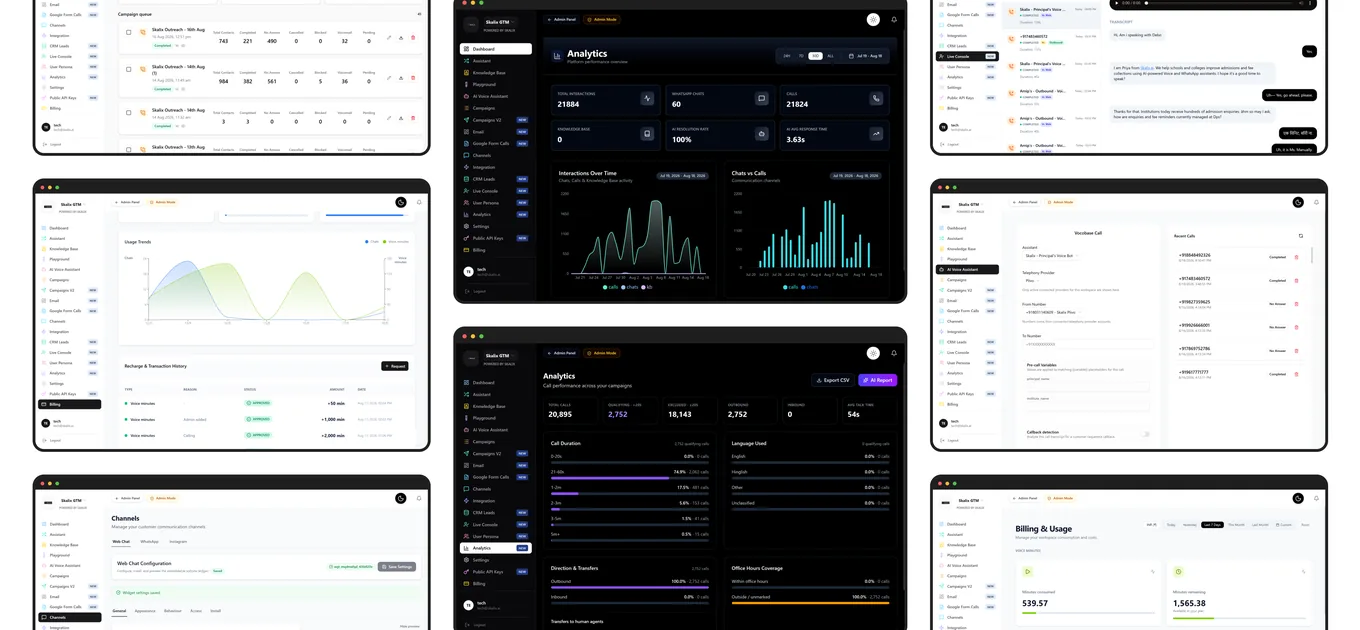
Skalix AI brings voice agents, web chat, follow-up and CRM workflows into one product. It illustrates the integration and human-handoff decisions that sit behind an AI interface.
Mesmeride connects event registration, ticketing, QR check-in and attendee operations. A product like this needs the organizer workflow and the on-site experience to work together.
CollectiveSpend connects sourcing, supplier RFQs, approvals and purchase orders. Its case study shows how domain-specific rules shape both the interface and the underlying system.
Use these examples to assess relevant workflows, then ask about the team, responsibilities and delivery arrangements for your own product. Our guide to choosing a technical partner includes questions to take into that conversation.
The right arrangement depends on which responsibilities you need covered. Agree those responsibilities before comparing prices.
| Compared | Technical advisor or fractional CTO | Product partner and delivery team | Internal technical co-founder |
|---|---|---|---|
| Primary role | Technical direction, review and hiring guidance | Product decisions, design, engineering and release delivery | Long-term company and technical leadership |
| Who implements | An internal team or separate developers | The delivery team in the agreed engagement | The co-founder and the team they build |
| Commercial arrangement | Advisory fee or retainer | A paid project or ongoing delivery engagement | An agreed founder role, equity and compensation |
| Best starting question | Do we mainly need senior technical judgment? | Do we need a team that can decide and build together? | Do we need someone to share company-level ownership? |
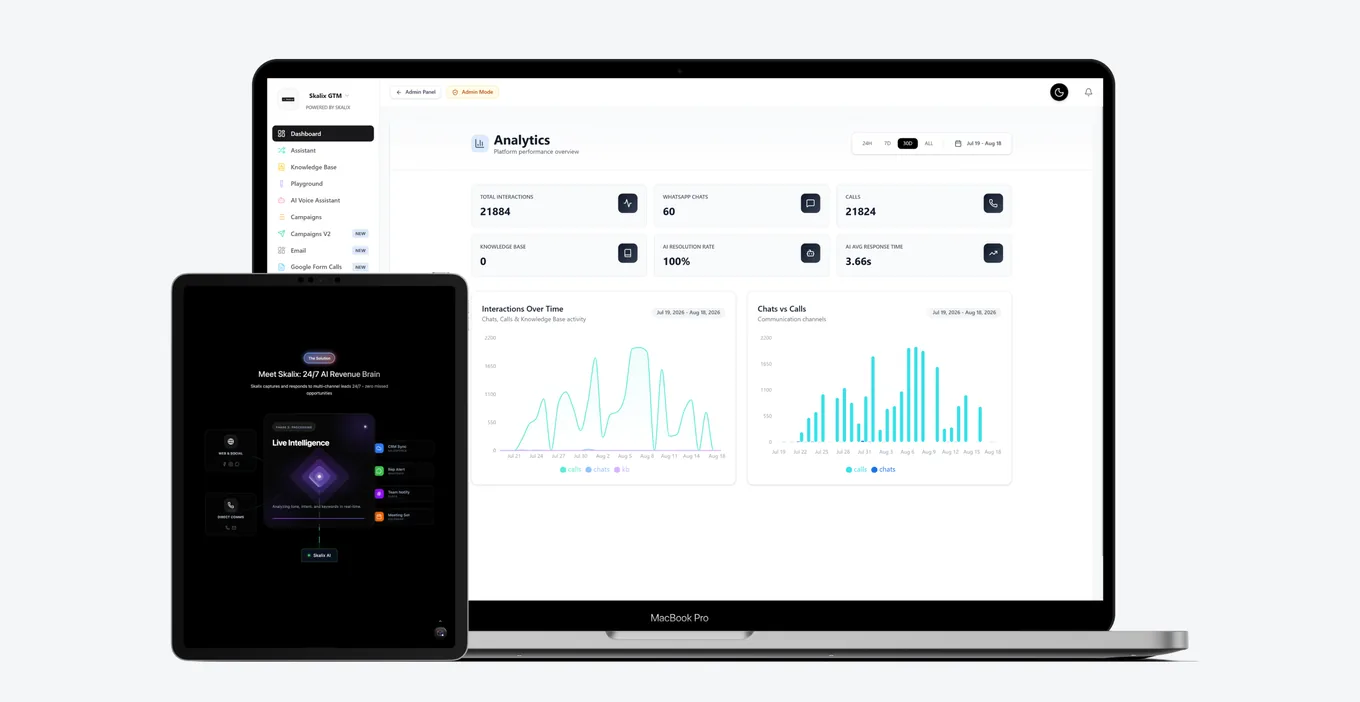
An AI-native revenue platform for calls, chat and customer follow-up.
View Skalix AI Case Study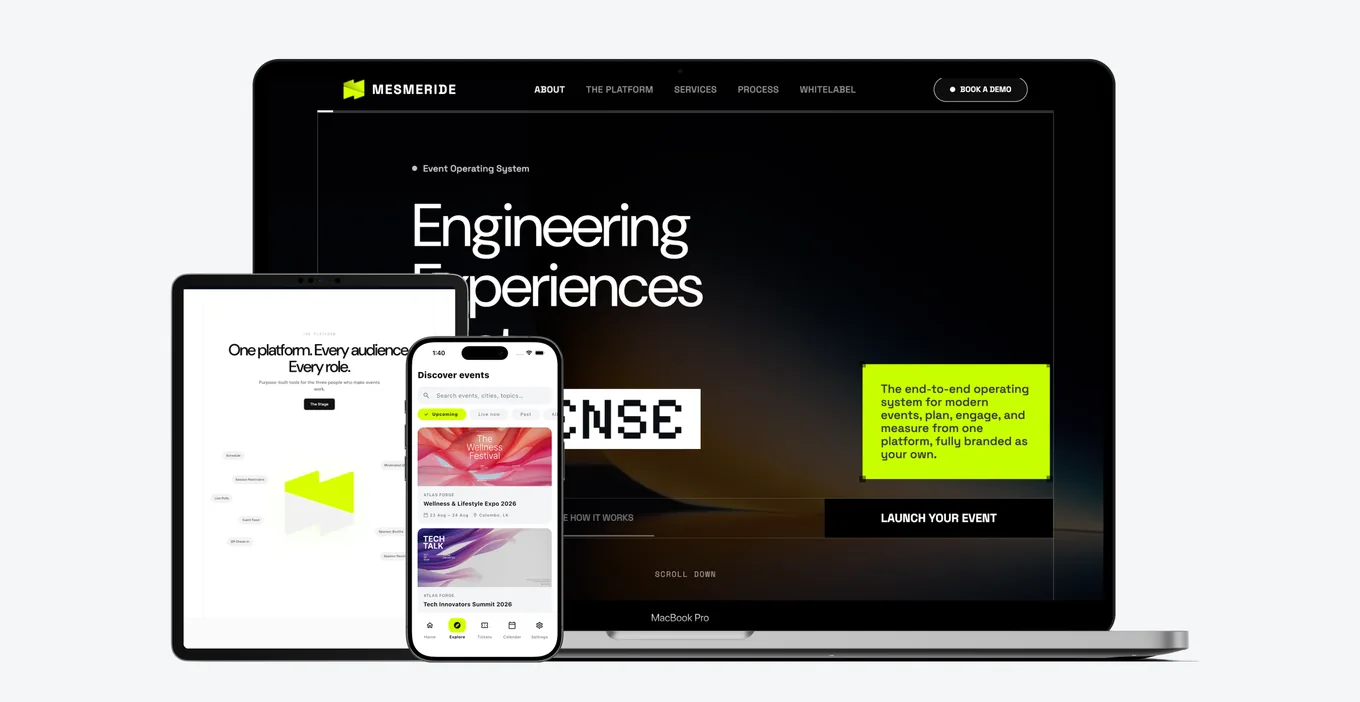
Registration, ticketing, attendee engagement and event operations in one platform.
View Mesmeride Case Study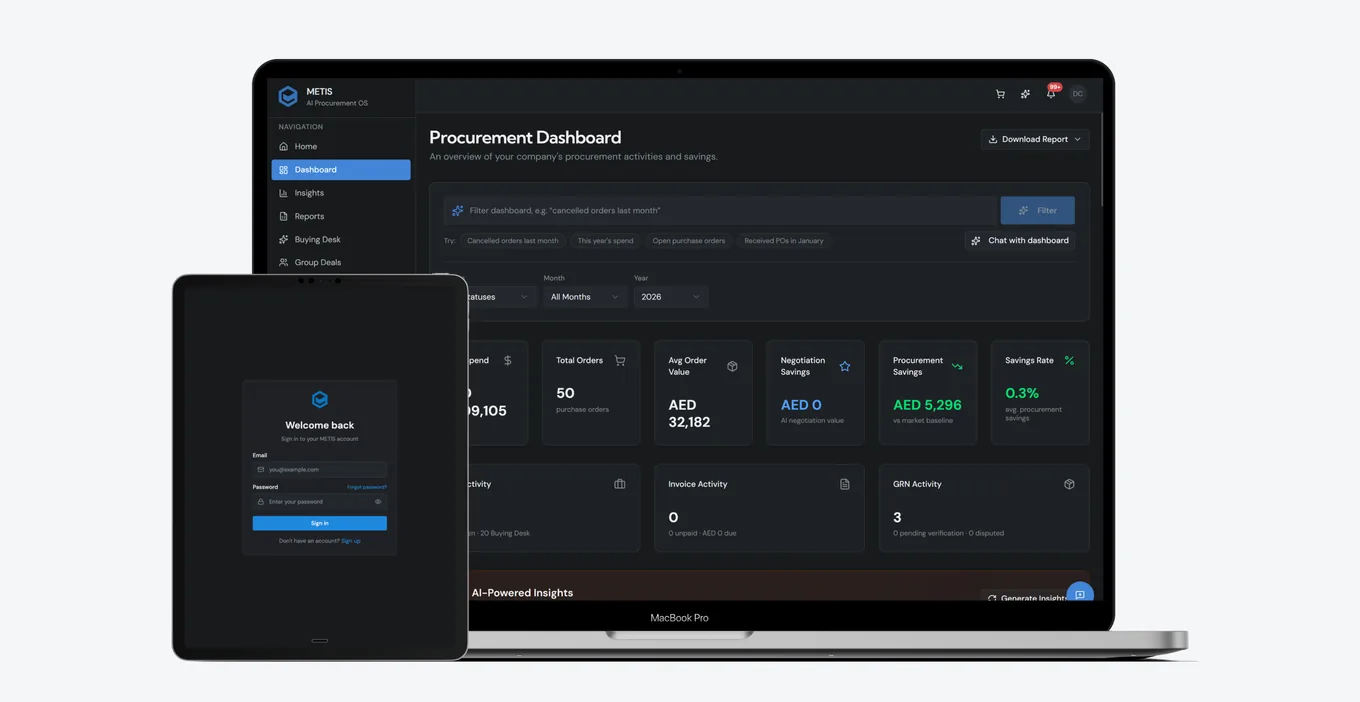
A tailored procurement platform spanning sourcing, RFQs and purchase orders.
View CollectiveSpend Case StudyIdentify the first user, business problem, constraints and decisions that need evidence.
Walk the core workflow through a prototype with people who will use it.
Agree scope and acceptance criteria, then design, engineer and test the first release.
Review real usage, operating issues and customer feedback to choose the next priorities.
A Product Pilot ($1,499 once) focuses on one workflow, core flows and prototype, build-ready requirements and an MVP roadmap. A Product Squad ($3,490 per month) supports ongoing product direction, design, engineering and iteration. An Embedded Product Unit (from $5,000 per month) adds capacity for larger products and multiple workstreams.
Yes. Bring your knowledge of the industry, examples of the current workflow and access to potential users. We explain product and engineering decisions in terms you can review, and agree who approves priorities on your side.
Arcforth provides a paid product and engineering engagement. A technical co-founder has a separate founder role and an agreed equity arrangement. If you are considering both options, compare the company-level responsibilities you need with the delivery responsibilities in the engagement.
Our published starting points are a $1,499 Product Pilot, a Product Squad at $3,490 per month and an Embedded Product Unit from $5,000 per month. The appropriate model and build scope depend on your product, dependencies and available evidence. Hosting, paid services and support responsibilities should be agreed alongside the engagement.
We can begin by reviewing the codebase, environments, documentation, integrations and current issues. That review establishes what can be retained, what needs attention and whether an ongoing squad is a suitable fit.
Yes. Agree ownership, account access and transition expectations in the contract. A useful handover covers the repository, architecture, deployment process, environments, outstanding risks and roadmap so the incoming team can operate the product.

If you have committed to a software venture and need a team to shape, build and keep improving it, start with a product conversation.
Human judgment. AI-native delivery. One team accountable from the first decision to every release.