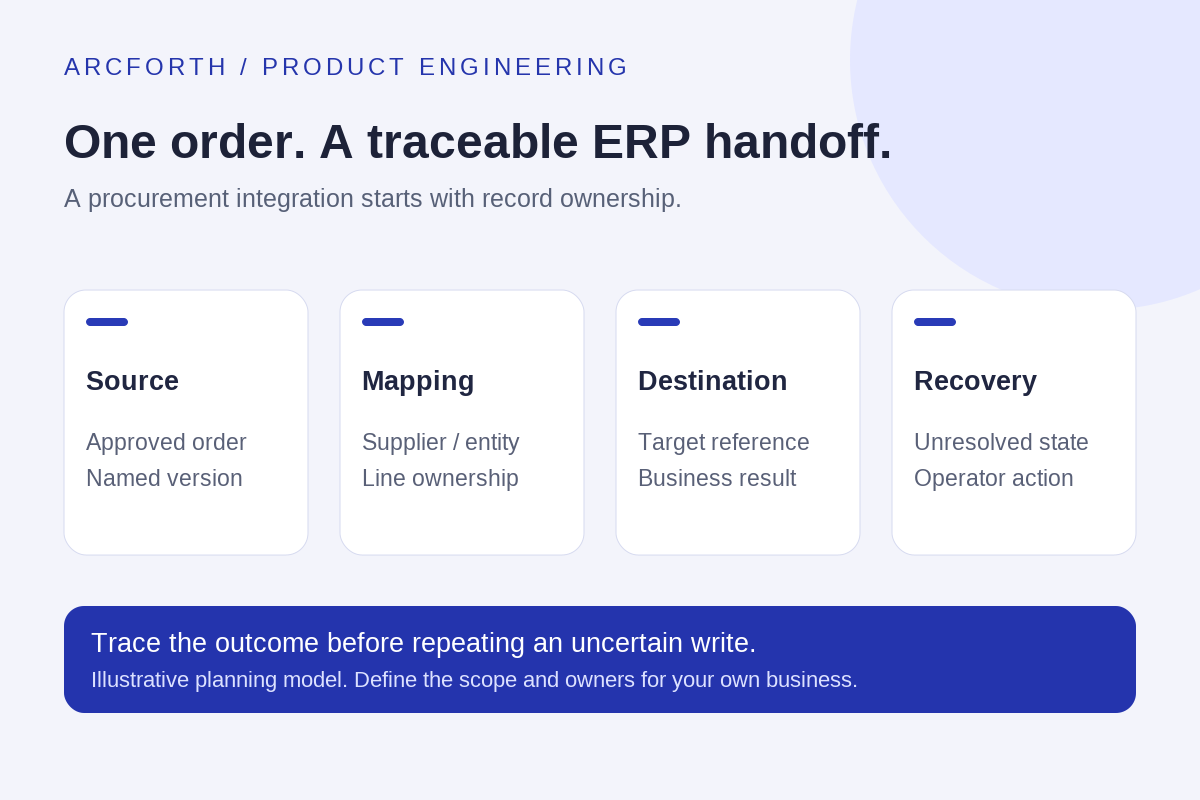
Identify the source of truth
For each field and status, decide which system owns it and which users may change it. Avoid creating two conflicting versions of the same business fact.

Services
An API connection is only part of the job. Arcforth helps product teams define how records move between systems, which system owns each fact and what an operator does when delivery is delayed, repeated or rejected.
For each field and status, decide which system owns it and which users may change it. Avoid creating two conflicting versions of the same business fact.
Define repeated events, missing records, provider downtime and rate limits as part of the workflow. Give support a way to see what needs attention.
Prove the business record reached the destination and can be matched to its source. A successful HTTP response alone may not establish the completed task.
When the integration governs a paid product, SaaS billing integration connects the provider record to an organisation and a versioned access policy. Repeated or late delivery should not silently change the wrong customer’s permissions.
The subscription access-control example follows a failed renewal through grace expiry and recovery. Use it to identify the authoritative record, permitted actions and support owner for the first lifecycle.
Start with a specific handoff: a qualified enquiry becomes a CRM opportunity, a paid order becomes an operational job or an approved request becomes a purchase order. Identify the triggering event, required fields, destination behavior and the person who resolves exceptions. List the provider accounts and API access that can actually be supplied.
A two-way sync needs more decisions than a one-way export. What happens when both systems edit the record? Which update wins? How is deletion handled? Agree these rules before treating the integration as a generic connector. Existing software, subscriptions and provider permissions can limit the available interfaces, so the scoping output should record those constraints.
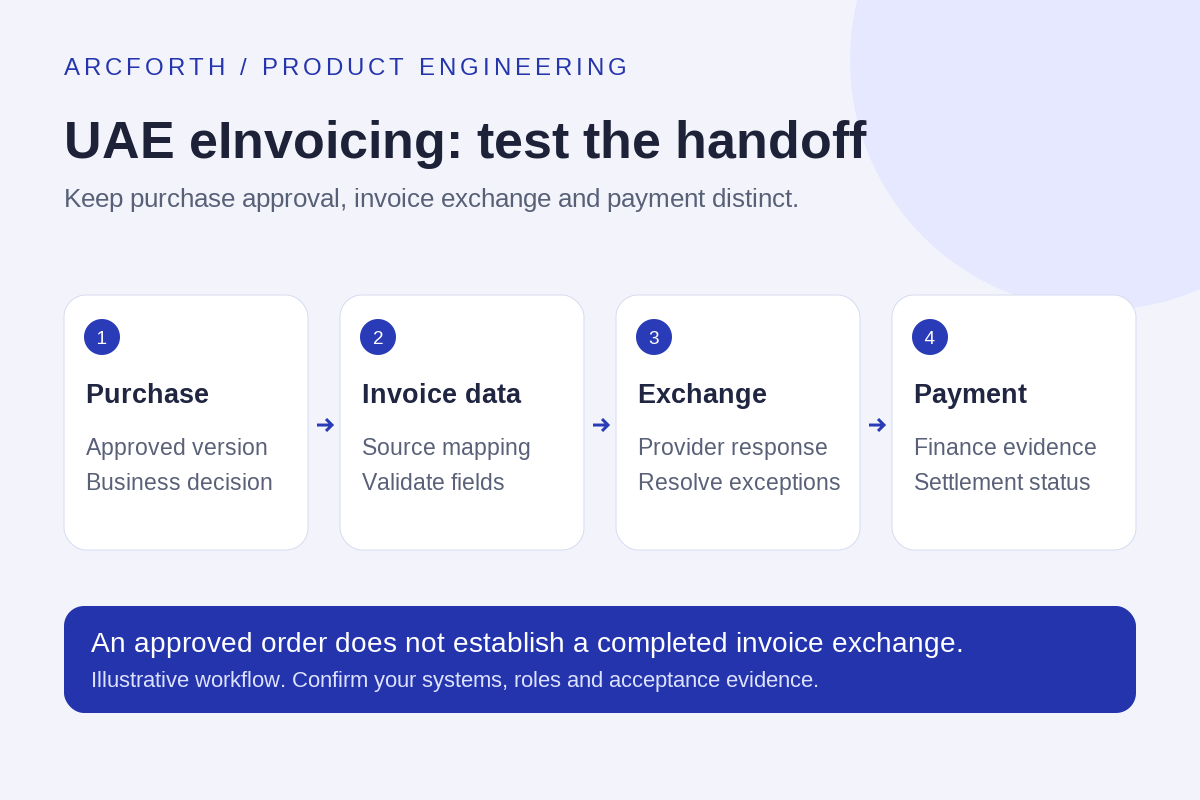
Follow one approved order in our UAE procurement ERP-integration guide. It maps supplier ownership, approval versions, a repeated delivery and a timeout that needs reconciliation. If the missing task is supplier-facing, review supplier-portal development for Dubai teams. Invoice exchange has its own boundary in the UAE eInvoicing guide.
Consider a product that sends payment events to an operations system. The operator needs one job with the correct order, items and customer reference. The same provider event can arrive again, and a related event can arrive before another one.
Stripe’s webhook documentation explicitly discusses duplicate delivery and event ordering. That is one concrete reason to test business behavior beyond receiving a callback.
| Scenario | Acceptance evidence |
|---|---|
| An event is delivered twice | One fulfilment job, with the repeat handled |
| The destination is unavailable | A visible pending state and agreed retry or operator action |
| A record is rejected | The source reference and failure reason are available for reconciliation |
Plan field mapping, permissions, authentication, rate limits, delivery tracking and the correction route. Establish which history can be imported and which records are eligible for the new connection. If a migration or backfill is needed, agree its boundary separately from live event handling.
Provider success and business success need separate signals. A request may be accepted for processing before the destination record becomes usable. Define when the operator can rely on the result and what evidence support needs. Test the failure path with approved fixtures before connecting real operational work. Integration support also needs an owner when a provider changes its schema or access requirements.
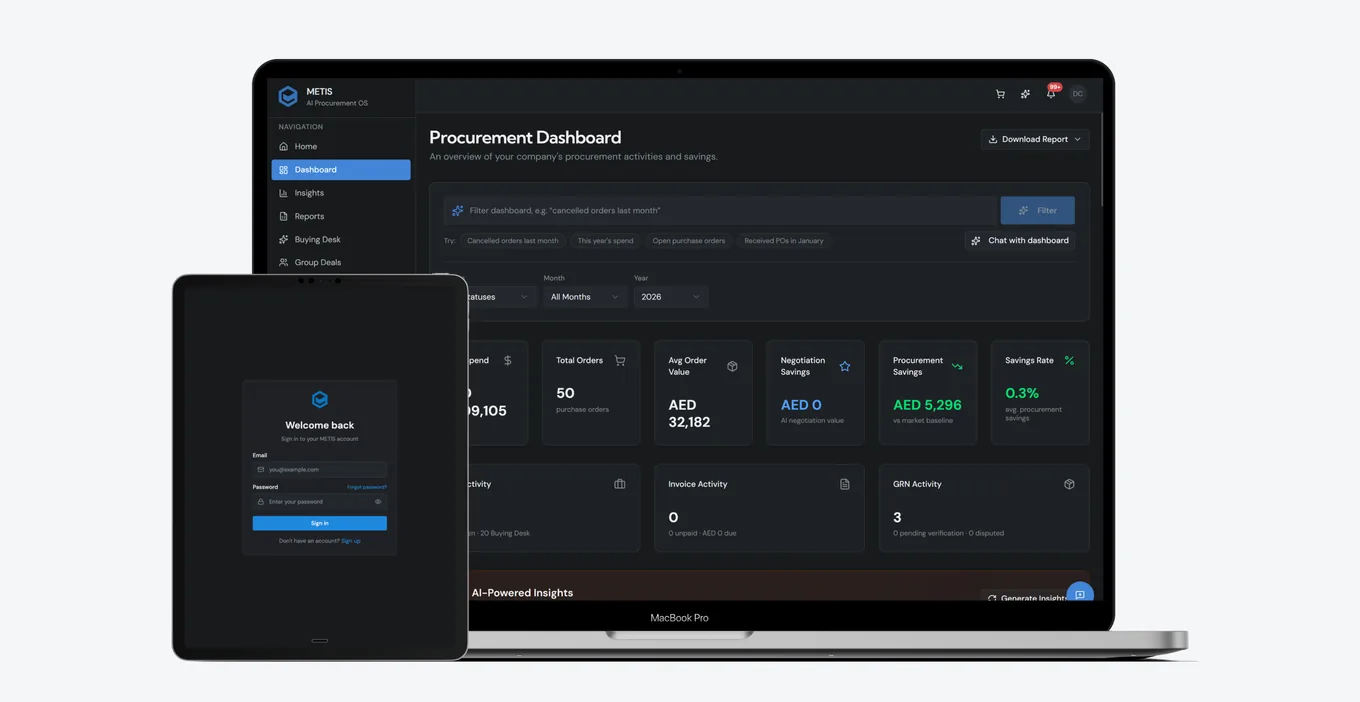
CollectiveSpend shows connected procurement workflows, and Skalix AI shows conversations, follow-up and CRM-related product work. Review the relevant journey, then ask which integration responsibilities belong in your proposal.
Bring the two systems, an example source and destination record without sensitive content, the volume and timing requirements, available provider documentation and the exceptions causing manual work. Include the team that will support the integration. If the missing part is an interface for customers, consider customer portal development; if the handoff depends on AI judgment, use the AI feature integration assessment as well.
A tailored procurement platform spanning sourcing, RFQs and purchase orders.
View CollectiveSpend Case Study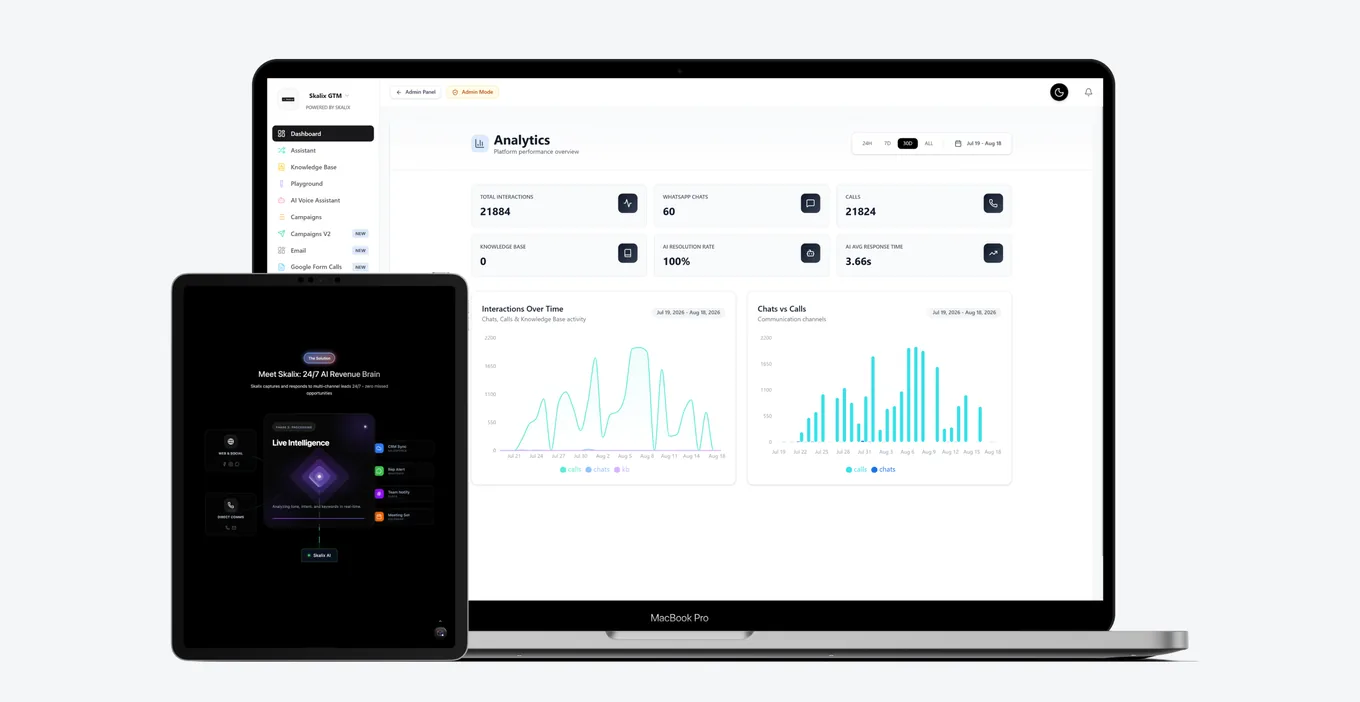
An AI-native revenue platform for calls, chat and customer follow-up.
View Skalix AI Case StudyDefine the record journey, field owners and available provider interfaces.
Agree repeated-event, failure and reconciliation cases using representative fixtures.
Implement the connection with tracking and an operator recovery route.
Release the agreed traffic and assign monitoring, provider-change and support ownership.
A Product Pilot ($1,499 once) focuses on one workflow, core flows and prototype, build-ready requirements and an MVP roadmap. A Product Squad ($3,490 per month) supports ongoing product direction, design, engineering and iteration. An Embedded Product Unit (from $5,000 per month) adds capacity for larger products and multiple workstreams.
We assess the provider interfaces, permissions and requirements first. A proposal should identify the supported data flow and any provider or plan limitations, rather than promising every operation before access is reviewed.
No. Verify the resulting business record and the behavior for repeated, delayed and rejected events. Agree how an operator identifies and resolves incomplete work.
Only when it is included in scope. Live sync, one-time migration and reconciliation of existing records have different boundaries and acceptance checks.

If you have committed to a software venture and need a team to shape, build and keep improving it, start with a product conversation.
Human judgment. AI-native delivery. One team accountable from the first decision to every release.