Recover control of the product
Locate the repository, deployment accounts, integration access and the person authorised to provide them. Begin with the access needed for an engineering assessment.

Services
Your supplier has gone quiet, releases keep breaking or a nearly finished MVP still cannot complete its main workflow. Arcforth starts a takeover by establishing what exists, what can run and which next decision the evidence supports.

Locate the repository, deployment accounts, integration access and the person authorised to provide them. Begin with the access needed for an engineering assessment.
Run the current product in a suitable review environment and follow one user task from start to finish. Record observed failures separately from assumptions about their cause.
Compare a bounded repair with replacing one weak part of the system. Keep a full rewrite as a decision requiring evidence rather than the default takeover proposal.
A takeover needs a starting record that both the founder and incoming team can review. Identify the current release, how it is built, where it runs, which integrations it depends on and what users can complete today. A screen recording of the interface is useful context, but it cannot establish that the software can be deployed or maintained.
Separate observations from estimates. “The test account cannot finish checkout” is an observation. “The payment integration needs a rewrite” is a proposed explanation that still needs investigation. The assessment should produce a list of blockers, evidence for each, dependencies and a proposed first recovery release. It should also say which areas have not yet been examined.
Consider an illustrative marketplace with a working catalogue but orders that disappear between payment and the operator dashboard. Do not begin by rebuilding every screen. Trace one authorised test transaction through the relevant records and notifications, then agree the missing behavior.
| Check | Evidence to request |
|---|---|
| Payment is accepted but order creation fails | A recorded failure and an agreed reconciliation path |
| The same event arrives twice | One business order, with the repeated delivery handled |
| A deployment makes the flow worse | A rehearsed way to restore the last reviewed release |
These are example acceptance checks, not a diagnosis of your codebase or claims about a client project. They turn “finish the app” into a recovery task that can be estimated and accepted.
Missing repository history, undocumented environments, inaccessible provider accounts and production data dependencies can change the work substantially. So can a gap between the demonstrated interface and the behavior implemented behind it. Establish those facts before accepting a replacement supplier’s fixed timeline.
Agree how the assessment will use access, which environment is suitable for review and who can approve changes. A review should not silently modify a live customer workflow. For the first recovery release, define the test cases, release approver, rollback route and handover notes. Our release guide explains how small, reviewable changes fit into ongoing delivery.
Our Organic Soda Pops marketplace and Mesmeride events product show related transaction and operator workflows. They are examples of product work, not published rescue outcomes. Ask how the proposed team will demonstrate understanding of your own product.
Bring the latest live or staging URL, repository availability, the original scope, the main blocked task and any known account-ownership issues. Describe the access that can be provided without putting credentials in the enquiry. If you need an ongoing team after the assessment, compare a product squad. If the prototype has never had production behavior behind it, our prototype-to-production service addresses that different starting point.
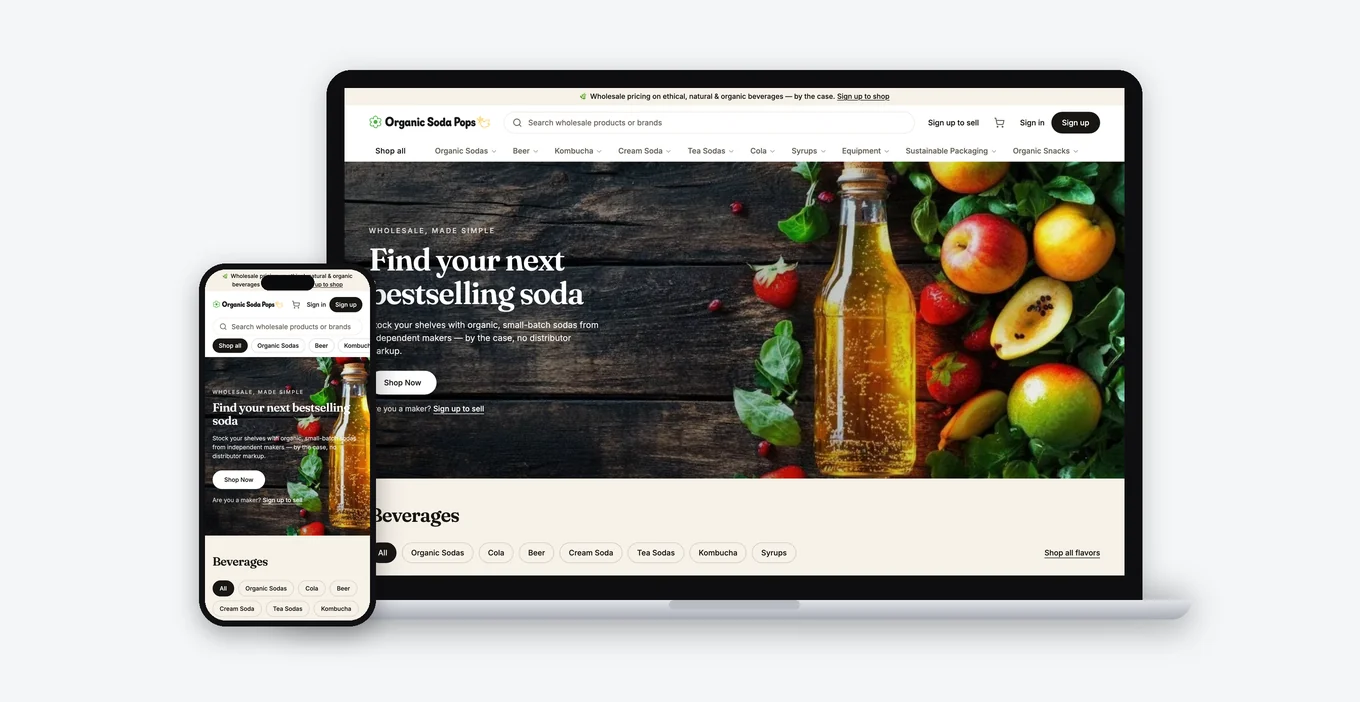
A multi-vendor B2B wholesale marketplace where retailers buy organic drinks by the case from independent makers.
View Organic Soda Pops Case Study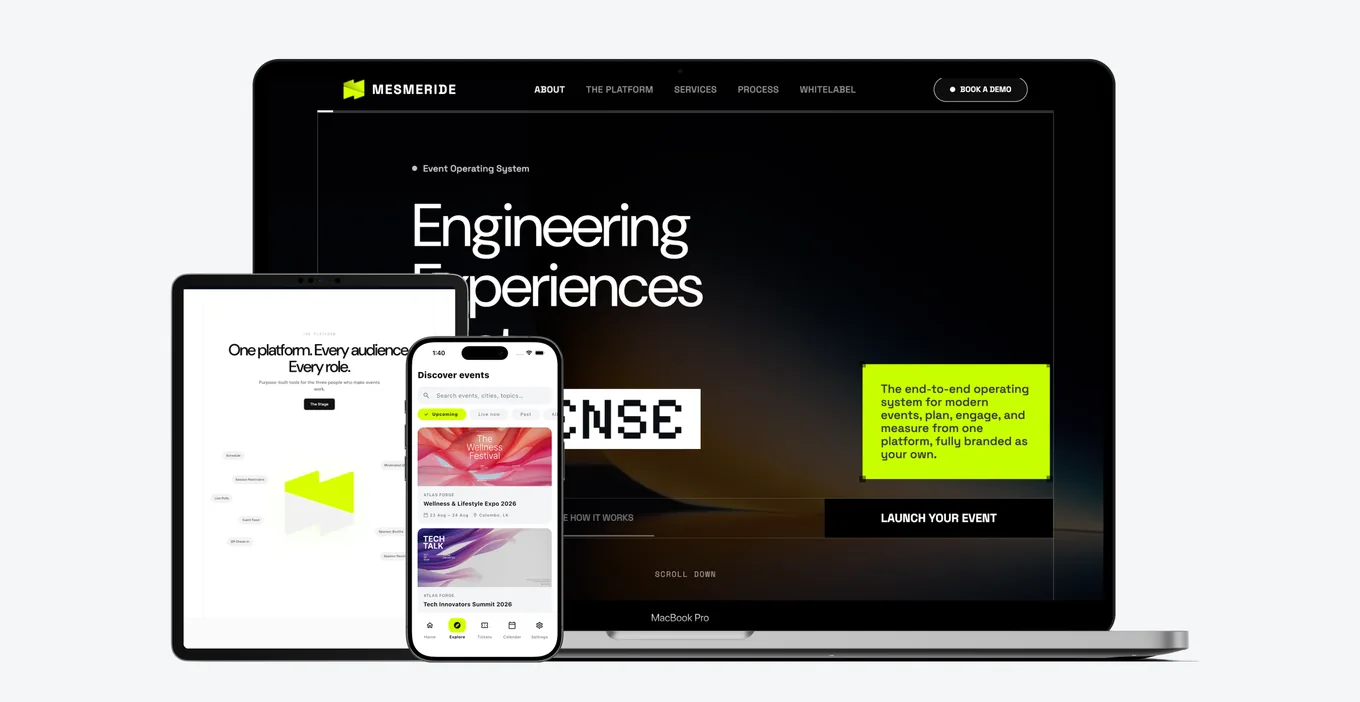
Registration, ticketing, attendee engagement and event operations in one platform.
View Mesmeride Case StudyEstablish ownership, current release and the workflow that is blocking progress.
Reproduce the issue and compare repair options with explicit evidence and gaps.
Agree and deliver a bounded recovery release with acceptance and rollback checks.
Document the new baseline and decide the next maintenance or product cycle.
A Product Pilot ($1,499 once) focuses on one workflow, core flows and prototype, build-ready requirements and an MVP roadmap. A Product Squad ($3,490 per month) supports ongoing product direction, design, engineering and iteration. An Embedded Product Unit (from $5,000 per month) adds capacity for larger products and multiple workstreams.
We can assess an existing codebase when the required rights and access are available. The assessment determines what can be retained and what needs attention; it does not assume a rewrite or guarantee that every component is recoverable.
Screenshots help explain the intended journey, but they do not establish code quality, integration behavior or deployment readiness. A responsible estimate needs an agreed assessment boundary and the dependencies that affect the work.
Agree the environment, access and change permissions first. The initial review should identify production dependencies and the release process before any live modification is proposed.

If you have committed to a software venture and need a team to shape, build and keep improving it, start with a product conversation.
Human judgment. AI-native delivery. One team accountable from the first decision to every release.