Keep the learning
Identify the user journey and decisions already tested. Preserve useful design work without treating every prototype interaction as an implemented requirement.

Services
You have a Figma journey, an investor demo or an AI-built prototype. The next job is to establish which behavior is real and build the permissions, data, operations and release process needed for a first customer workflow.
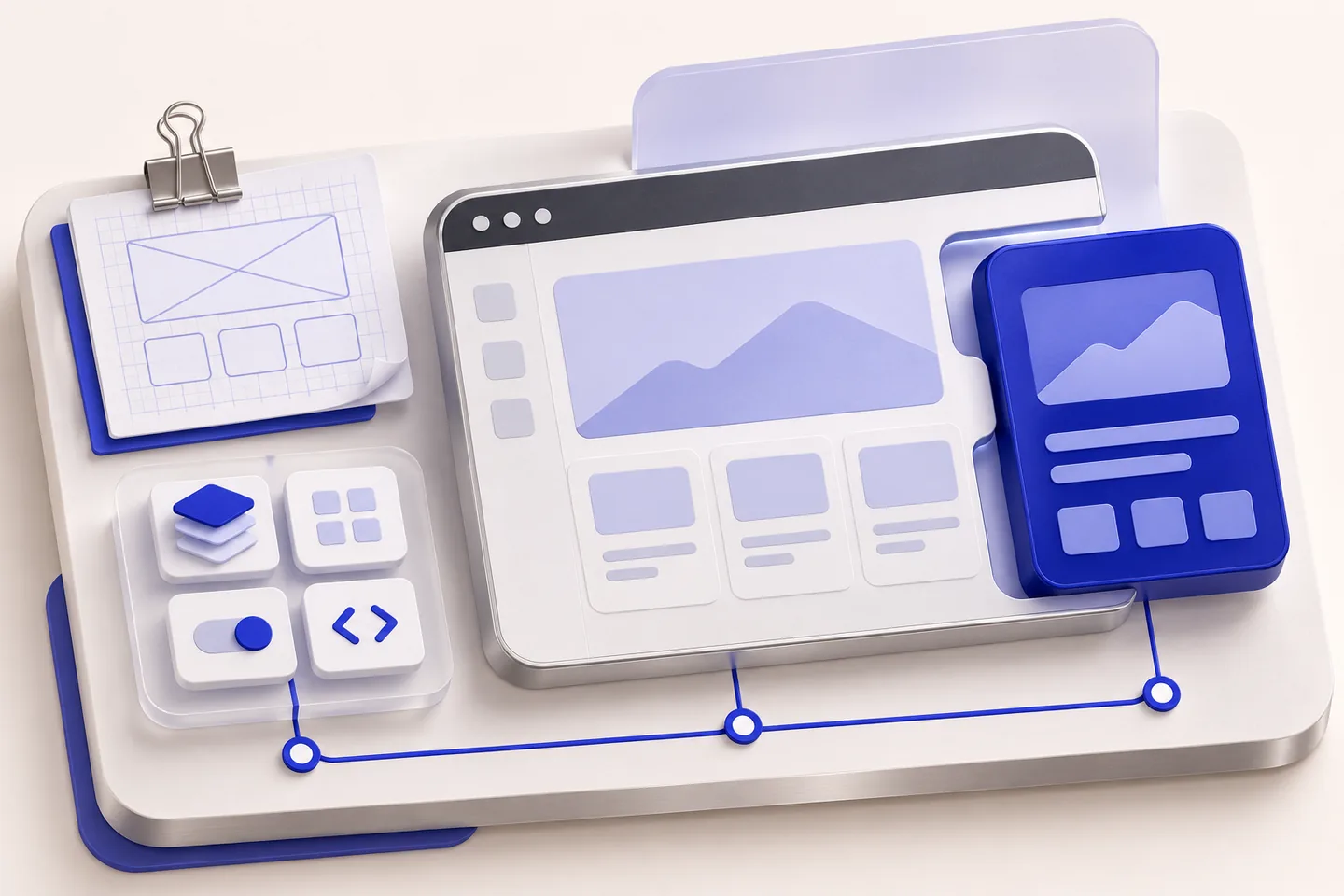
Identify the user journey and decisions already tested. Preserve useful design work without treating every prototype interaction as an implemented requirement.
Mark sample records, hard-coded results, mock payments and unsupported actions. Give each production dependency an owner before estimating the build.
Choose one customer journey with the operational steps behind it. Agree what success, a recoverable failure and a supported first release mean.
A prototype can answer whether a journey makes sense without proving that it can operate with real customers. List what happens at each step: which records are stored, which user may see them, which external system is called and how the next person learns that the task is ready. Mark each behavior as real, simulated or unresolved.
The GOV.UK Service Manual explains that prototype code and production code have different requirements. Use the prototype’s learning to shape the release; assess the implementation separately. This is especially useful when the demo was assembled quickly from templates or generated code and no one has yet documented its operating assumptions.
Imagine a service portal where a customer submits a request, an operator reviews it and the customer receives a confirmed next step. The prototype may show all three screens while skipping the records and permissions connecting them.
| Demo behavior | Production decision |
|---|---|
| A success screen appears after submission | Which record exists, who owns it and what happens if saving fails? |
| An operator approves the request | Which role may approve, and what prevents repeated approval? |
| A confirmation message is displayed | Which delivery result is recorded and how is a failed notification handled? |
These questions make a first release estimable. They also identify where the business needs an operating decision rather than another screen.
Agree account and role behavior, persistent data, integration access, observability, deployment and support. For an AI demo, include representative evaluation inputs and the actions that need human approval. For a transactional demo, include failure and reconciliation paths. A polished interface can conceal uncertainty in any of these areas.
Do not assume every prototype needs replacing. Retain components where review supports doing so, and document where production requirements justify a different implementation. Our prototype versus MVP guide explains the distinction between testing an idea and releasing a product. If a live product is already failing, use an MVP rescue assessment instead of treating it as a clean first build.
Bring the prototype link, user feedback, intended first audience and a list of simulated integrations or data. Include the person who can decide operational questions such as approval, exceptions and support. The useful output is a bounded release brief, architecture and dependency decisions, acceptance examples and an estimate with assumptions.
For related production work, inspect Ques.uk’s student and organiser journeys and JoinClan’s founder-content workflow. These show connected product experiences, not evidence that your prototype can be converted unchanged. If a discovery step is needed, the existing Product Pilot can define one workflow and the build roadmap; production engineering is agreed separately.
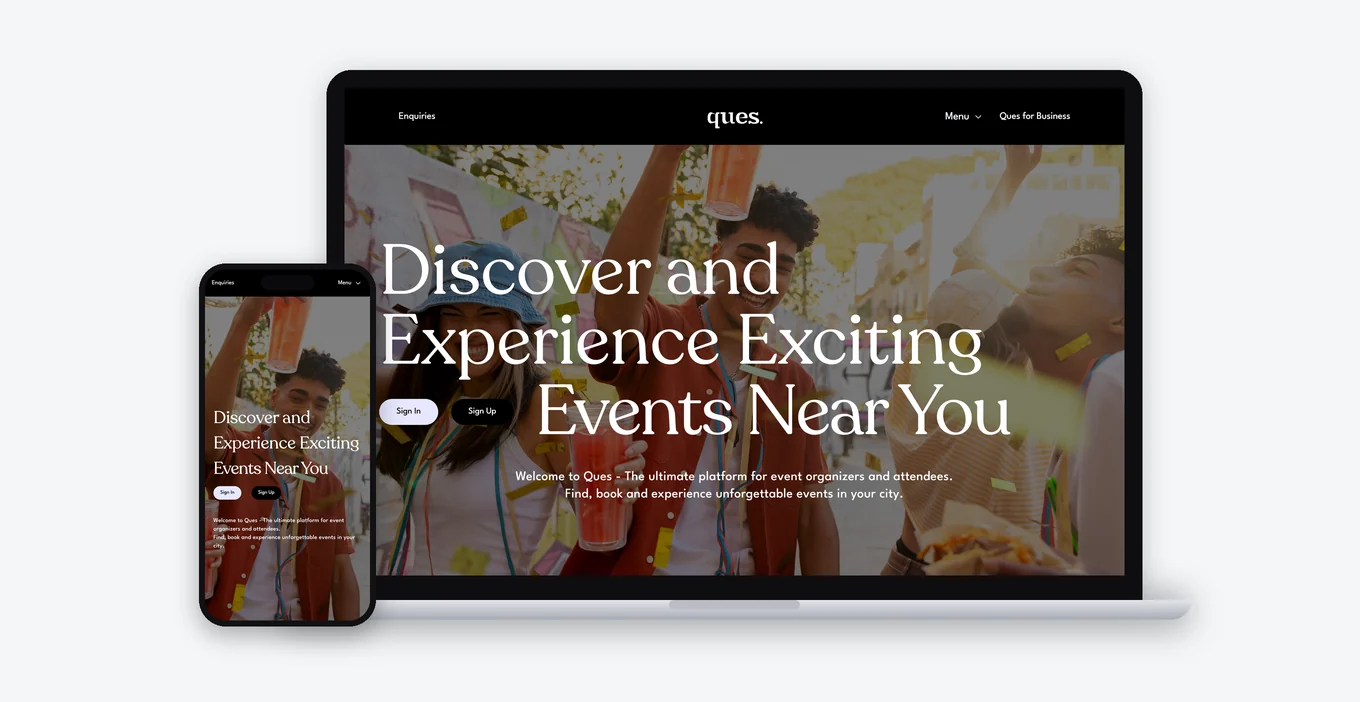
A city-aware event ticketing platform connecting students, organisers and admins on one unified system.
View Ques.uk Case Study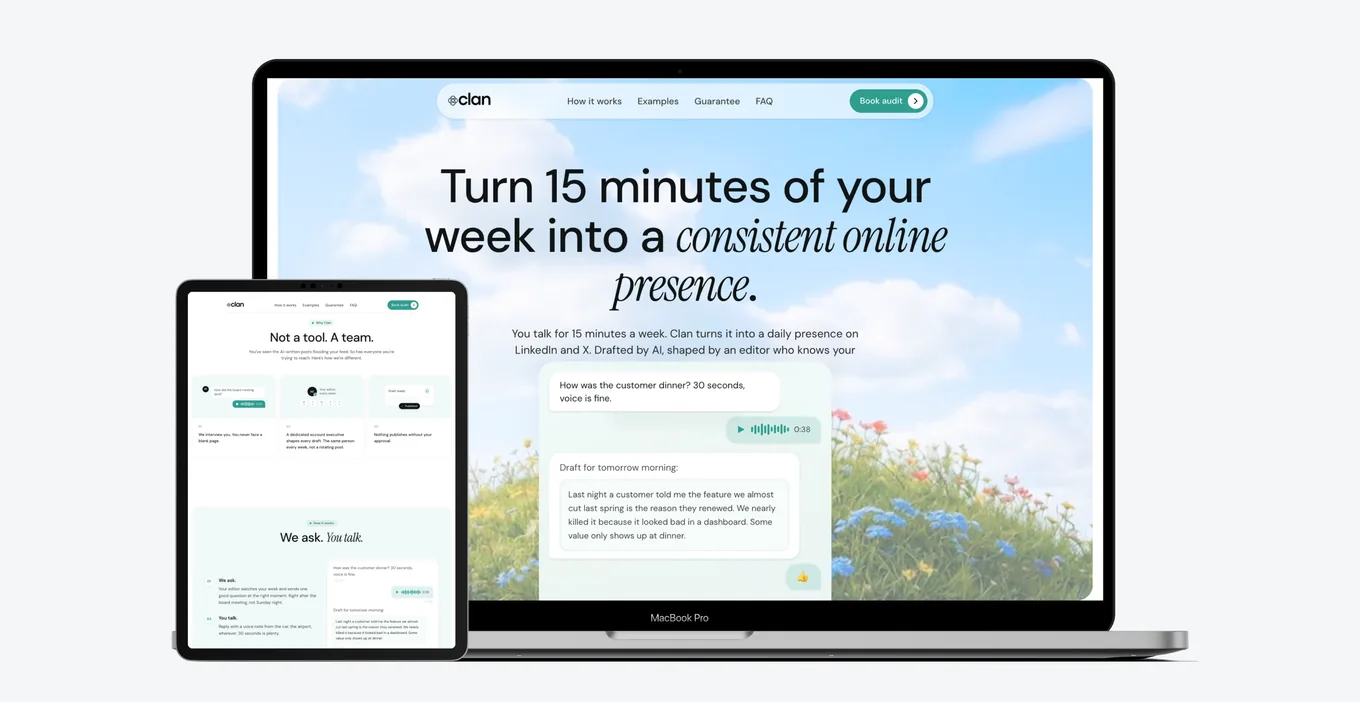
Short weekly conversations turned into consistent, editor-shaped content.
View JoinClan Case StudyInventory the prototype’s real, simulated and unresolved behavior.
Select one user workflow and resolve the highest-impact production dependencies.
Implement and test the release against agreed normal and failure cases.
Launch to the agreed first audience with operating and handover responsibilities.
A Product Pilot ($1,499 once) focuses on one workflow, core flows and prototype, build-ready requirements and an MVP roadmap. A Product Squad ($3,490 per month) supports ongoing product direction, design, engineering and iteration. An Embedded Product Unit (from $5,000 per month) adds capacity for larger products and multiple workstreams.
Yes, it can be a starting point for the journey and requirements. We assess the implementation, rights, dependencies and production requirements before deciding which code or design elements to retain.
It makes some product decisions clearer, but integration access, data, permissions and operating requirements can still be unresolved. The estimate should identify those assumptions rather than treating the visible screens as the entire scope.
A complete workflow that a real user can finish, with persistent records, agreed access and a way for the business to handle normal exceptions. The exact boundary depends on your product.

If you have committed to a software venture and need a team to shape, build and keep improving it, start with a product conversation.
Human judgment. AI-native delivery. One team accountable from the first decision to every release.