Define the useful first result
Choose the action that shows a new user received value. Account creation or opening a dashboard is not automatically that result.

Services
Your product attracts registrations, but users do not finish the task or come back. Arcforth reviews the activation journey, event definitions and observed friction so the next product change addresses a specific gap.

Choose the action that shows a new user received value. Account creation or opening a dashboard is not automatically that result.
Compare the intended journey with available event data, session observations and user accounts of the task. Separate missing measurement from observed friction.
Identify a bounded change, the affected cohort and the evidence needed to assess it. Keep the same definitions when comparing releases.
An activation review examines the first useful task and the path back to it. It can identify confusing setup, unnecessary fields, empty states, unclear next actions or a measurement gap. It should also identify evidence that is missing. A plausible design explanation is not the same as a confirmed reason that users leave.
The output should connect each proposed change to an observed problem, the user group affected and the way the team will assess the result. If the product’s core job has not been validated, changing the onboarding screens alone may not resolve the problem. The review should be allowed to recommend user research or a smaller product hypothesis.
Imagine a B2B tool where a user creates an account but must configure an integration before seeing a report. The team assumes a welcome tour will help. A review would first ask whether users understand the report, have the required access and can reach a useful example while setup is pending.
These are example investigation paths, not a promised diagnosis or a guaranteed conversion uplift.
Write down the eligible user group, counting unit, start event, activation event and observation window. A unique account and a unique person answer different questions. An incomplete cohort has not had the same opportunity to activate or return as an older one.
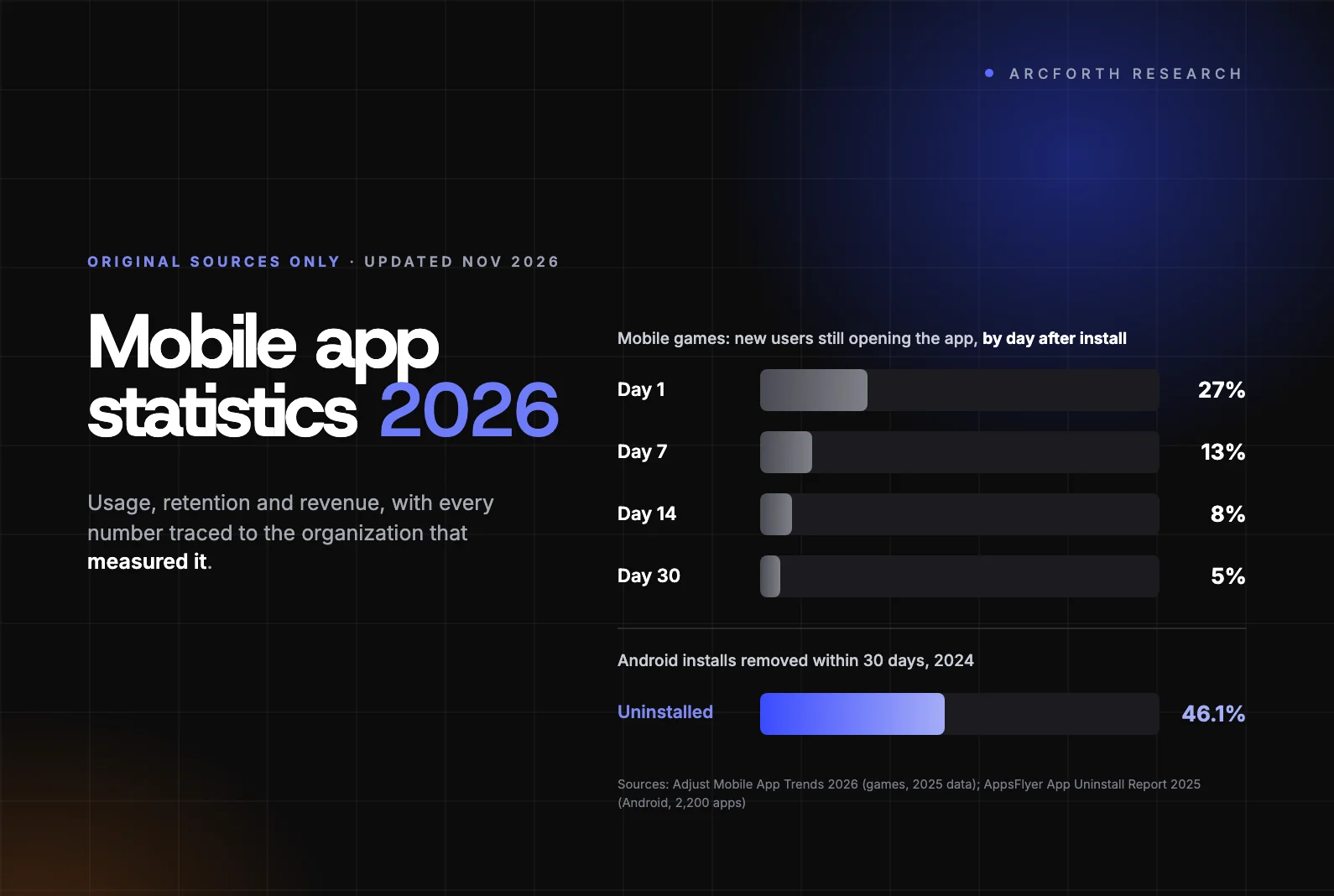
Amplitude distinguishes return on a particular interval from return on or after it. Keep the chosen definition stable when judging a change. Our activation guide includes a worked example with different denominators and a measurement brief. Benchmarks in the mobile statistics article provide context, not a universal target for your product.
Bring the current product, first customer task, the users you can reach, available analytics definitions and recent support questions. Describe access that can be arranged; do not put customer records into the initial enquiry. If data is incomplete, the first scope may include instrumentation before an experiment is meaningful.
Review related workflow work in Ques.uk and JoinClan. Those cases show product journeys, not activation-uplift guarantees. Agree a decision record containing the observed issue, proposed change, owner, audience and review window. Implementation can then be scoped through product iteration or a focused UX engagement.
A city-aware event ticketing platform connecting students, organisers and admins on one unified system.
View Ques.uk Case Study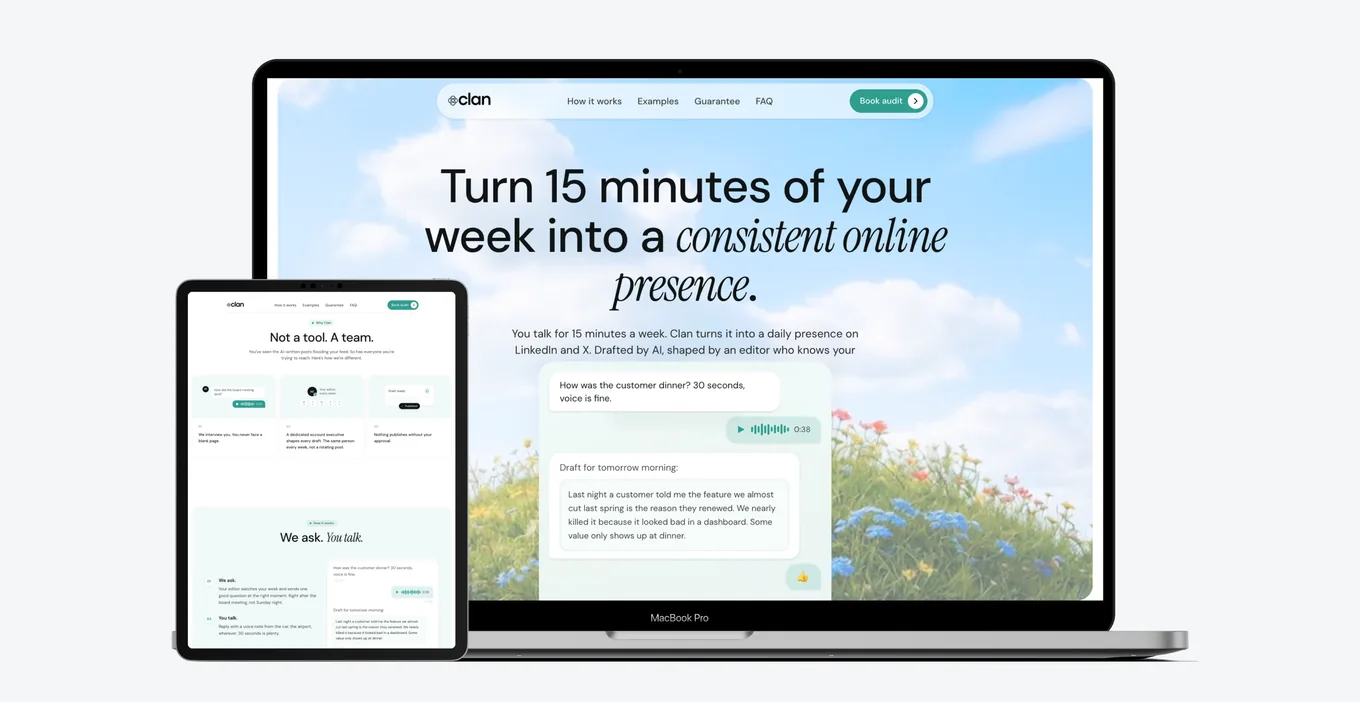
Short weekly conversations turned into consistent, editor-shaped content.
View JoinClan Case StudyDefine first value, the eligible user group and the evidence available.
Inspect the first-run and return journey and identify confirmed gaps and unknowns.
Prioritise one change or measurement improvement with an agreed decision record.
Review complete cohorts and user feedback before expanding or reversing the change.
A Product Pilot ($1,499 once) focuses on one workflow, core flows and prototype, build-ready requirements and an MVP roadmap. A Product Squad ($3,490 per month) supports ongoing product direction, design, engineering and iteration. An Embedded Product Unit (from $5,000 per month) adds capacity for larger products and multiple workstreams.
No. This review focuses on what users do inside the product after arriving or registering. Acquisition quality can be relevant context, but the scoped work concerns activation, onboarding and return journeys.
No. The review identifies evidence and a change to assess. Results depend on the product, audience and actual use; the proposal should not substitute a guaranteed uplift for a measurement plan.
Record that limitation first. An initial scope can define and implement the events needed to answer the product question before drawing a conclusion from missing or inconsistent data.

If you have committed to a software venture and need a team to shape, build and keep improving it, start with a product conversation.
Human judgment. AI-native delivery. One team accountable from the first decision to every release.