Choose a repeatable customer job
Identify what the customer needs to finish regularly and which result makes the software worth returning to. Start with one audience and an accessible pilot group.

Services
You know an operational problem that several companies share. Arcforth helps turn it into a SaaS product with a complete customer workflow, organisation boundaries and the controls needed to operate the first release.
Identify what the customer needs to finish regularly and which result makes the software worth returning to. Start with one audience and an accessible pilot group.
Map organisation membership, roles and record ownership. A company account with several users has different requirements from a single-user demo.
Include the admin decisions behind onboarding, access, billing issues and support. The customer interface is only one side of the service.
An organisation account needs explicit rules for trials, paid access, seat changes and failed renewal. SaaS billing integration scopes those transitions against the provider and the product permissions your own users require.
Use the failed-renewal walkthrough to compare the interface, server actions and support record. Its illustrative grace period is a proposed policy to adapt, not a default you should copy into every product.
A first release should let a customer start a task, finish it and understand what to do next. A collection of dashboards and settings does not establish that loop. Write down the recurring job, the record it produces and the reason someone comes back. Then separate the features required for that job from the features that can wait.
For a B2B product, include the buyer and operator as well as the person using the interface. Who invites the team? Who manages access when an employee leaves? Who accepts the result? Those decisions affect the data model and permissions, so they belong in the first-release brief rather than a later admin phase.
Imagine a SaaS product where a company submits operational requests and managers approve them. The first scope might include an organisation account, invitations, requester and approver roles, a request record and a review history. These are illustrative requirements, not a description of a particular client implementation.
This slice is specific enough to discuss cost and acceptance. It is also a better starting point for pilot feedback than building every possible configuration.
Agree how organisations, invitations, roles and customer records relate. Test attempts to reach another organisation’s data through direct record access, not only through the screens. OWASP’s object-level authorisation guidance explains why the requested record needs an access check.
If subscriptions are included, define trial, active, overdue and cancelled behavior from the user’s perspective. Agree which actions remain available and how support resolves billing exceptions. Do not let a payment-provider event silently decide a product policy that the business has never specified. Historical import, billing migration and enterprise controls should have explicit scope boundaries.
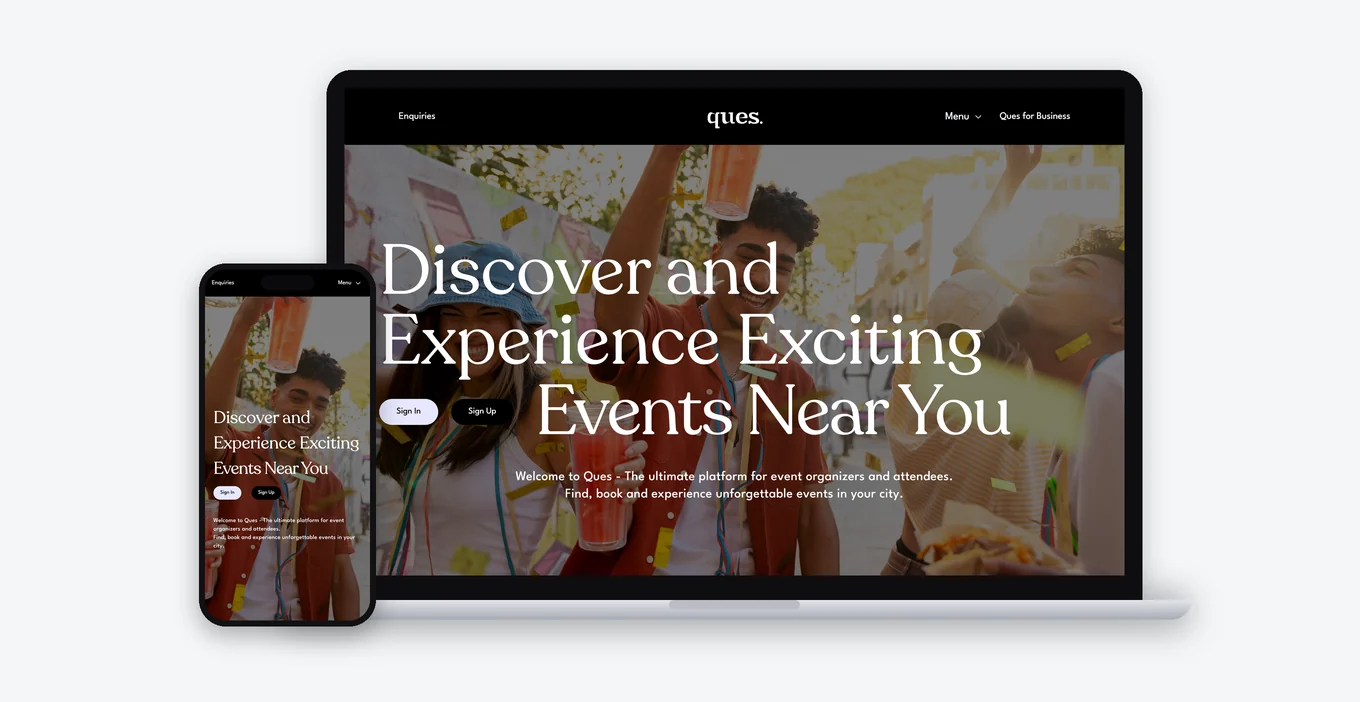
Ques.uk shows connected organiser and customer journeys. CollectiveSpend shows role-based operational workflows around procurement. These are relevant product patterns, rather than evidence that the same SaaS architecture or commercial model fits your market.
Bring the recurring task, first customer group, current manual process, proposed billing model and any account or integration requirements. If the next step is moving an existing demo into production, compare prototype-to-production development. If the main need is a workspace for customers of your current business, customer portal development may be the more focused scope.
DueDraft’s LegalTech SaaS case study shows company records shared between a business and a CA team. It follows onboarding, document requests, client submissions, review and saved contracts. Use the demonstrated workflow to compare the roles, company context and persistent customer work your own first SaaS release needs.
A city-aware event ticketing platform connecting students, organisers and admins on one unified system.
View Ques.uk Case Study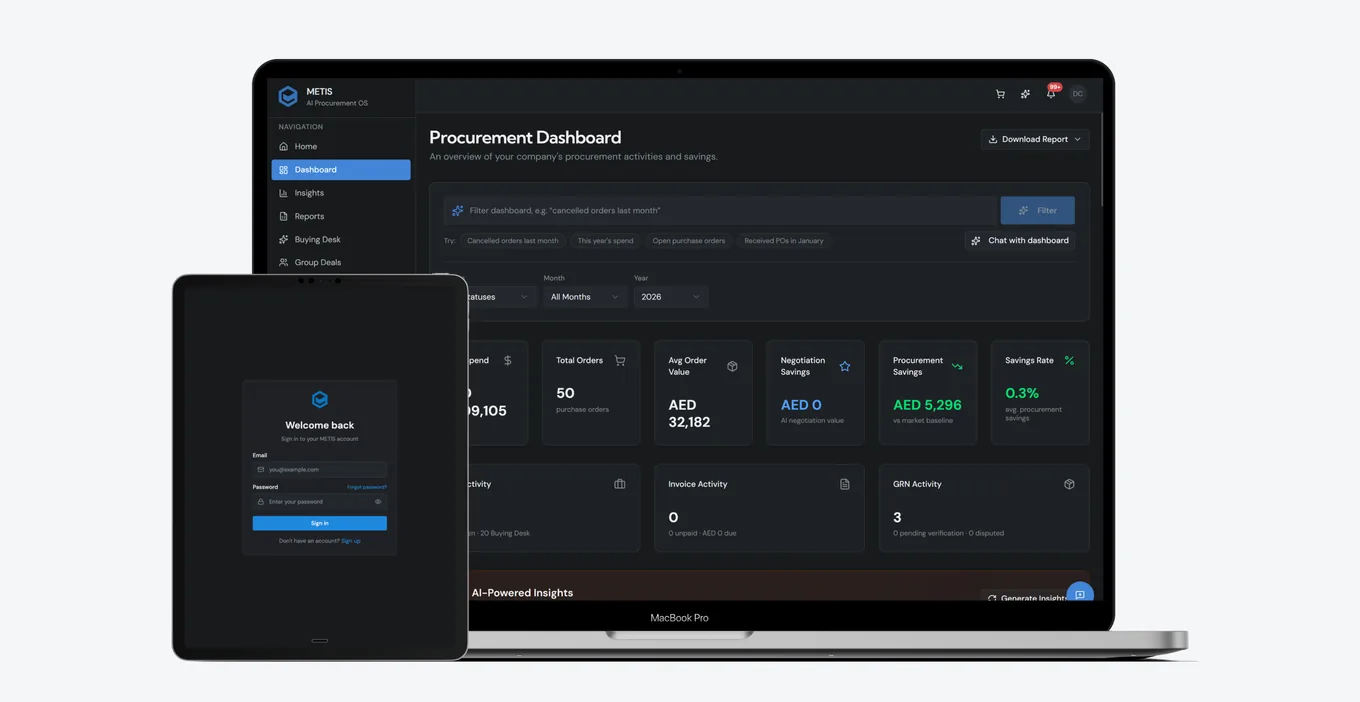
A tailored procurement platform spanning sourcing, RFQs and purchase orders.
View CollectiveSpend Case StudyDefine the recurring customer task, buyer and first pilot cohort.
Prototype the workflow and agree organisation, role and billing states.
Build and test the customer and operator journeys as one release.
Launch to the agreed audience and use activation, support and workflow evidence to choose the next cycle.
A Product Pilot ($1,499 once) focuses on one workflow, core flows and prototype, build-ready requirements and an MVP roadmap. A Product Squad ($3,490 per month) supports ongoing product direction, design, engineering and iteration. An Embedded Product Unit (from $5,000 per month) adds capacity for larger products and multiple workstreams.
A usable first SaaS release includes persistent customer work, the agreed organisation and role boundaries, operating responsibilities and a complete task. A demo can simulate those parts while testing the interface.
No. Identify what the first customer group actually requires. SSO, complex permissions, billing migration and advanced reporting should be included when the buying and operating requirements justify them.
A first customer can help test the workflow, but distinguish the rules specific to that company from the repeatable product you intend to sell. Record what must be configurable and what can stay fixed for the initial scope.

If you have committed to a software venture and need a team to shape, build and keep improving it, start with a product conversation.
Human judgment. AI-native delivery. One team accountable from the first decision to every release.