Choose one customer task
Start with a request, order, document or appointment the customer needs to act on. Make the status and next action understandable without internal terminology.

Services
Customers should be able to submit the right request, see what is happening and complete the next step without chasing your team. Arcforth connects that experience to the records, permissions and operational work behind it.
Start with a request, order, document or appointment the customer needs to act on. Make the status and next action understandable without internal terminology.
Assign the operator, review steps and source records behind the customer view. A portal should not create another inbox that nobody owns.
Map individual, company and staff access, including sharing, revocation and support access. Test direct links as well as the navigation.
A login page and a list of files are only useful if they help a customer complete a task. Identify the repeated question your team receives: has my request been accepted, what document is missing, who must approve the next step or where is the order now? Turn that question into a workflow with a clear record and owner.
The customer-facing status must reflect the underlying business process. If the internal team has not agreed what “in review” or “ready” means, a new interface will simply expose that uncertainty. Start with one service journey and the staff workspace needed to run it. Integrations and historic imports should have their own boundaries.
Imagine a business customer submitting a request and supporting information. An operator reviews it, asks for one correction and accepts the revised request. The customer can see the current action and the information that is still needed.
These are illustrative acceptance cases. Your portal may involve orders, property records or documents, but the same scoping exercise must use the actual customer task and operating process.
Test the permissions on the requested record, not only whether a customer can open the menu. OWASP describes object-level authorisation failures that can expose another user’s records. The portal brief should identify the ownership rule for every shared object.
Agree what support may view or change, what the customer can export and what happens when an organisation removes a member. Include failed uploads, incorrect file types, duplicate requests and integration delays in the review. A portal connected to an existing system needs a clear source of truth so staff and customers do not receive conflicting statuses.
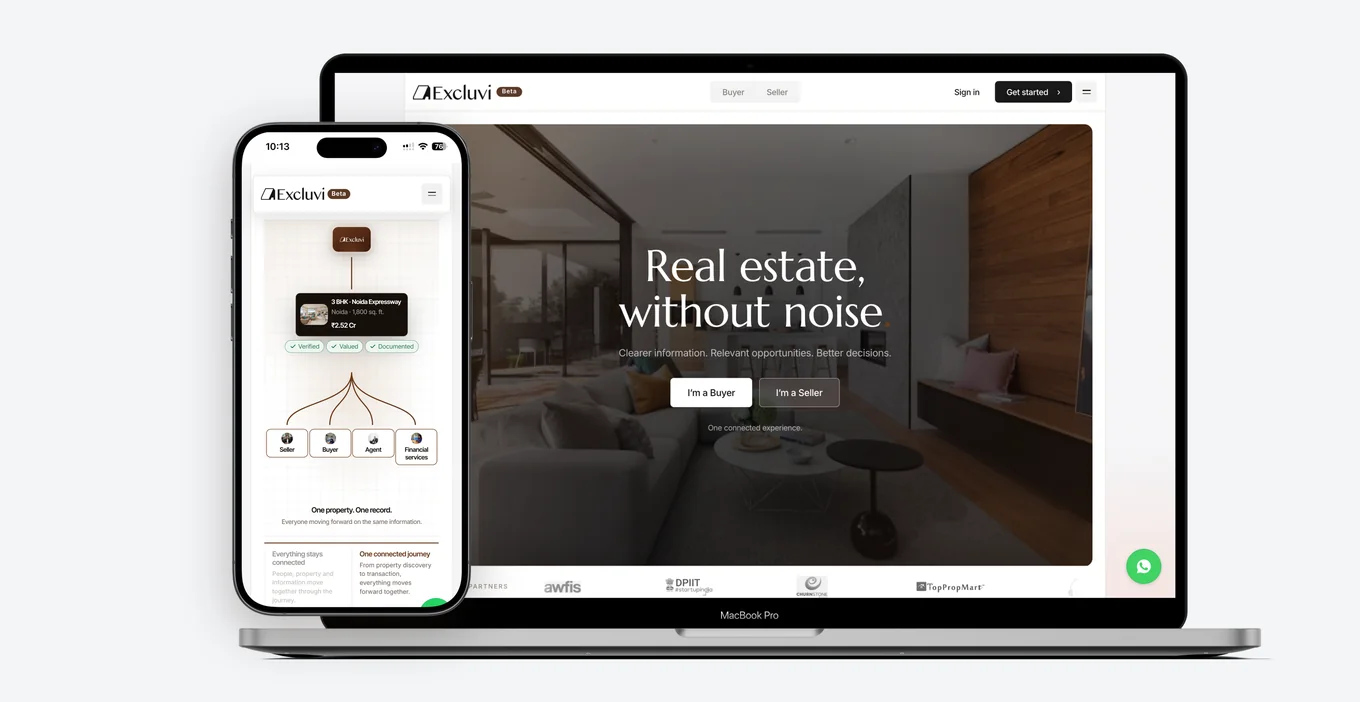
Excluvi shows connected property records and operational journeys. Organic Soda Pops shows buyer, vendor and admin interfaces in a wholesale marketplace release candidate. Use those cases to inspect role and workflow patterns, rather than assuming a ready-made portal or a commercial result.
Bring the customer task, internal owner, current records, account structure and source system. Include where customers currently email or call for updates. If you are building a product to sell repeatedly to separate companies, compare B2B SaaS development. If the interface already exists and the missing part is a reliable data handoff, use integration development.
Excluvi connects the fragmented real estate journey through one shared property record, bringing people, transactions and property data into a single ecosystem.
View Excluvi Case Study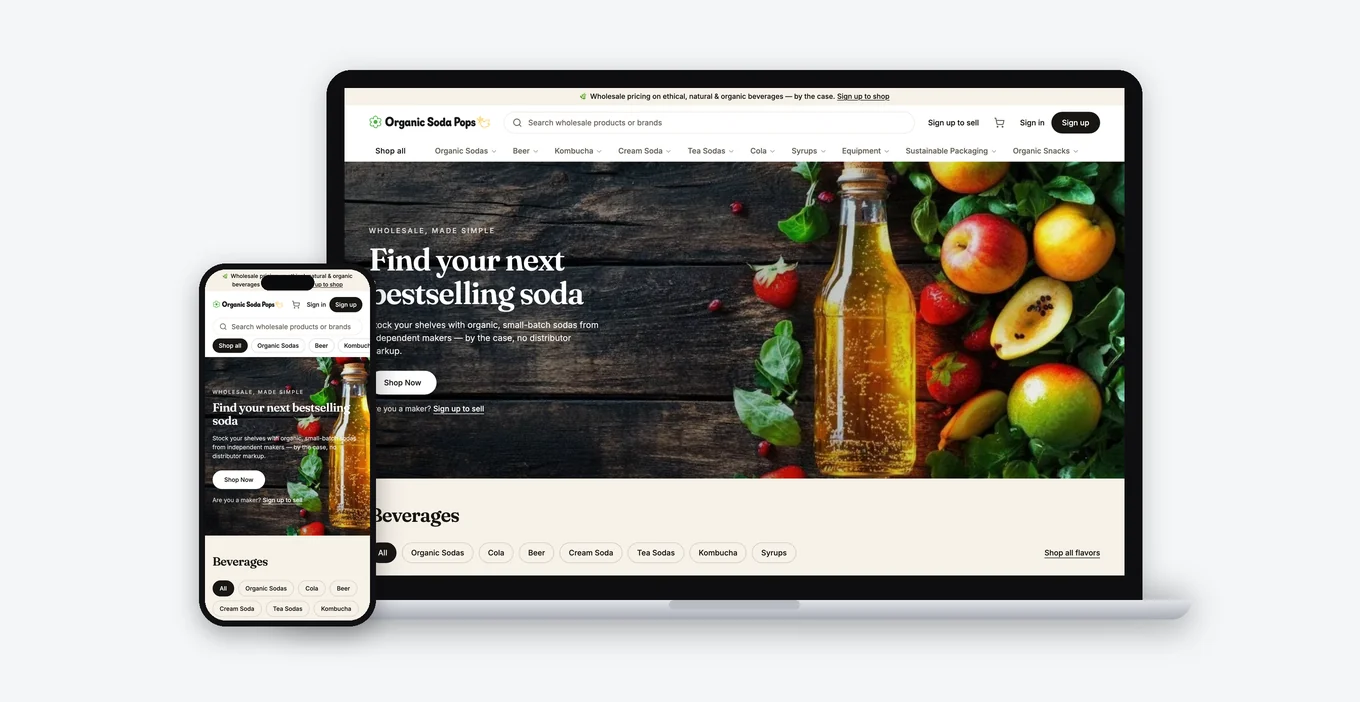
A multi-vendor B2B wholesale marketplace where retailers buy organic drinks by the case from independent makers.
View Organic Soda Pops Case StudyMap the customer task and the internal person responsible for its outcome.
Prototype the status, correction and next-action journey with the relevant roles.
Implement records, permissions and integrations with normal and failure checks.
Launch the agreed service slice with support, access and operating ownership.
A Product Pilot ($1,499 once) focuses on one workflow, core flows and prototype, build-ready requirements and an MVP roadmap. A Product Squad ($3,490 per month) supports ongoing product direction, design, engineering and iteration. An Embedded Product Unit (from $5,000 per month) adds capacity for larger products and multiple workstreams.
Possibly, but start with the customer task and check the current system’s capabilities. A portal can expose an appropriate customer journey while the CRM remains the source of truth; the boundaries must be agreed.
Yes, that can be scoped. Define organisation membership, roles, record ownership, invitation and revocation behavior before estimating the build.
No. Agree which statuses help customers understand what happened and what to do next. Internal implementation or review details may need a different presentation.

If you have committed to a software venture and need a team to shape, build and keep improving it, start with a product conversation.
Human judgment. AI-native delivery. One team accountable from the first decision to every release.