A property workflow people finish
Connect the listing, available viewing, confirmation and next operational step. Plan the agent's exceptions alongside the buyer or tenant experience.

Services
MVP development for Australian founders starts with a first customer workflow and a team accountable for shipping it. Arcforth works remotely with Australian founders and operators, covering product direction, UX, engineering and QA. Agree the scope, review schedule and ownership before committing to a build.
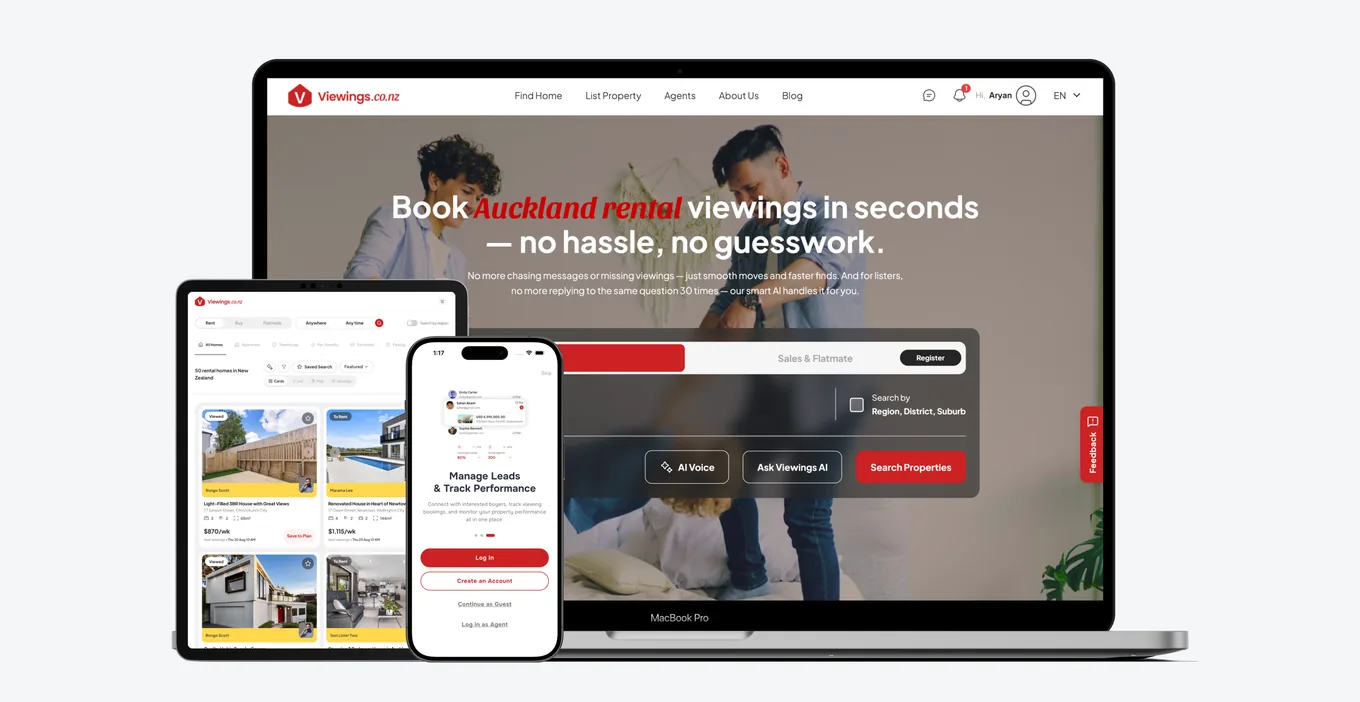
Connect the listing, available viewing, confirmation and next operational step. Plan the agent's exceptions alongside the buyer or tenant experience.
Choose the first business task, the roles allowed to act and the record created at the end. Include the operational view your team needs to support it.
Use representative inputs to test the model and the workflow separately. Agree when a person reviews an answer and which actions require approval.
An Australian event product should be reviewed on the phones, entrance arrangement and connectivity available at its venue. Event check-in app development can be scoped as an admission layer on an existing ticketing source, rather than a replacement for the whole sales platform.
The offline gate rehearsal guide covers stale ticket lists, disconnected entrances and later reconciliation. Choose the actual venue time zone and test a phone with a different local clock setting. Mesmeride and Ques.uk are related event-product examples; they are not presented as Australian deployments.
You may be a domain expert turning a repeatable service into software, a founder with customers waiting for a pilot, or an existing product team with a defined release that exceeds its capacity. Bring the process you already understand: the spreadsheet, booking form, customer messages and exceptions that explain why the current approach breaks.
A useful first conversation establishes who will use the product, who will buy it, what access you have to those people and what a successful first release would change. We can then distinguish product discovery from an engineering commitment. If you already have a working product and need continuous delivery, a dedicated product squad may fit better than a new MVP engagement.
Our Viewings case study describes work for a New Zealand property platform. It is relevant because viewing software connects agent availability, listings, attendees and follow-up operations. A calendar interface is only one part of that service: capacity rules, confirmations, failed messages and changes to the listing also shape the product.
For an Australian build, we would establish your actual listing feeds, CRM, payment provider and tenancy workflow before promising an integration. New Zealand experience is a useful starting point, rather than evidence that Australian legal requirements or provider access are identical. Our PropTech software development service explains the workflows we can help scope. Your local operational decisions remain inputs to the release.
A remote engagement needs an explicit review rhythm. Before kickoff, agree which Australian time zone the team uses, the overlap available for decisions, the weekly demonstration window and the response expected when work is blocked. Daylight-saving changes should be written into that arrangement rather than left to a recurring calendar invite that silently shifts.
We keep requirements, design decisions and acceptance criteria in shared project records so progress does not depend on every person attending every meeting. Identify one decision owner on your side and one delivery owner on ours. Agree how urgent production issues are escalated separately from normal feedback. This page describes remote delivery for Australian clients; it does not claim an Australian office or an Australian-based engineering team.
The Product Pilot costs US$1,499 once and focuses on one high-value workflow, core flows and a prototype, build-ready requirements and an MVP roadmap. It helps identify the release that deserves engineering investment. It is not the price of a complete production application.
After the pilot, agree the production scope, dependencies, acceptance criteria, budget and release plan. Integration access, payment verification, data migration and user recruitment can affect the schedule. An investor demonstration and a pilot handling real payments require different work. Our prototype and MVP guide explains that distinction, while the proposal checklist helps you compare teams against the same requirements.
Our published prices are in US dollars. A Product Squad is US$3,490 per month, with larger Embedded Product Units starting at US$5,000 per month. Your production build is agreed against the scope. Confirm invoicing currency, applicable charges and payment arrangements in the proposal rather than treating a currency conversion on a website as a binding quote.
Hosting, model usage, paid APIs, messaging and payment-provider fees sit alongside engineering. Estimate those against a realistic pilot volume and identify who owns each account. Do not treat unlimited users, AI calls or SMS messages as part of a monthly development fee. Our MVP cost guide explains which product decisions change a first-build budget.
Write down repository access, infrastructure ownership, release approval and transition responsibilities before the build begins. A useful handover explains how to run the application, deploy it, recover from a failed release and change the integrations. Keep the open risks and deferred features visible alongside the work that shipped.
Start the pilot with realistic test inputs and a first user group you can reach. Review the main journey, access permissions and important failure cases before release. After launch, use observed behaviour and support questions to prioritise the next cycle. You can continue with the squad or plan a transition to an internal team. The aim is a first release that teaches you what to build next, with enough operational clarity to support real users.
Simpler journeys for property discovery, viewings, applications and agreements.
View Viewings Case Study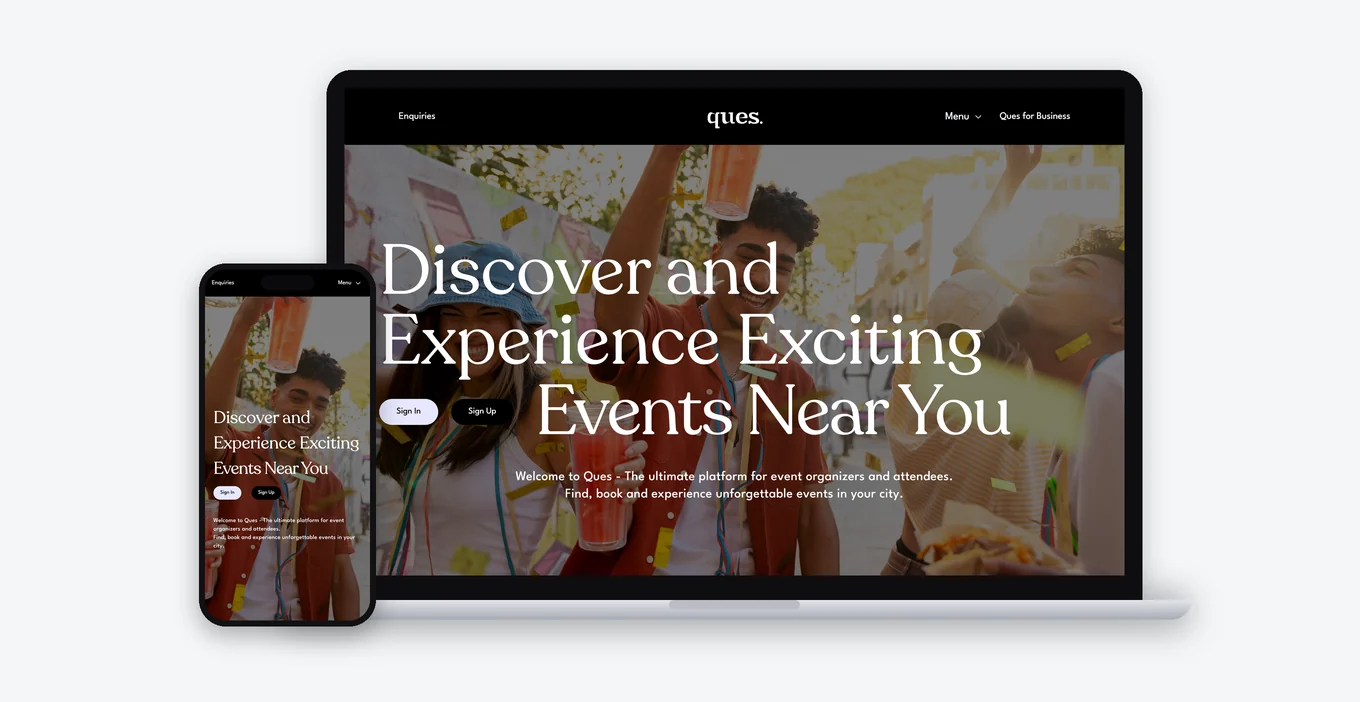
A city-aware event ticketing platform connecting students, organisers and admins on one unified system.
View Ques.uk Case Study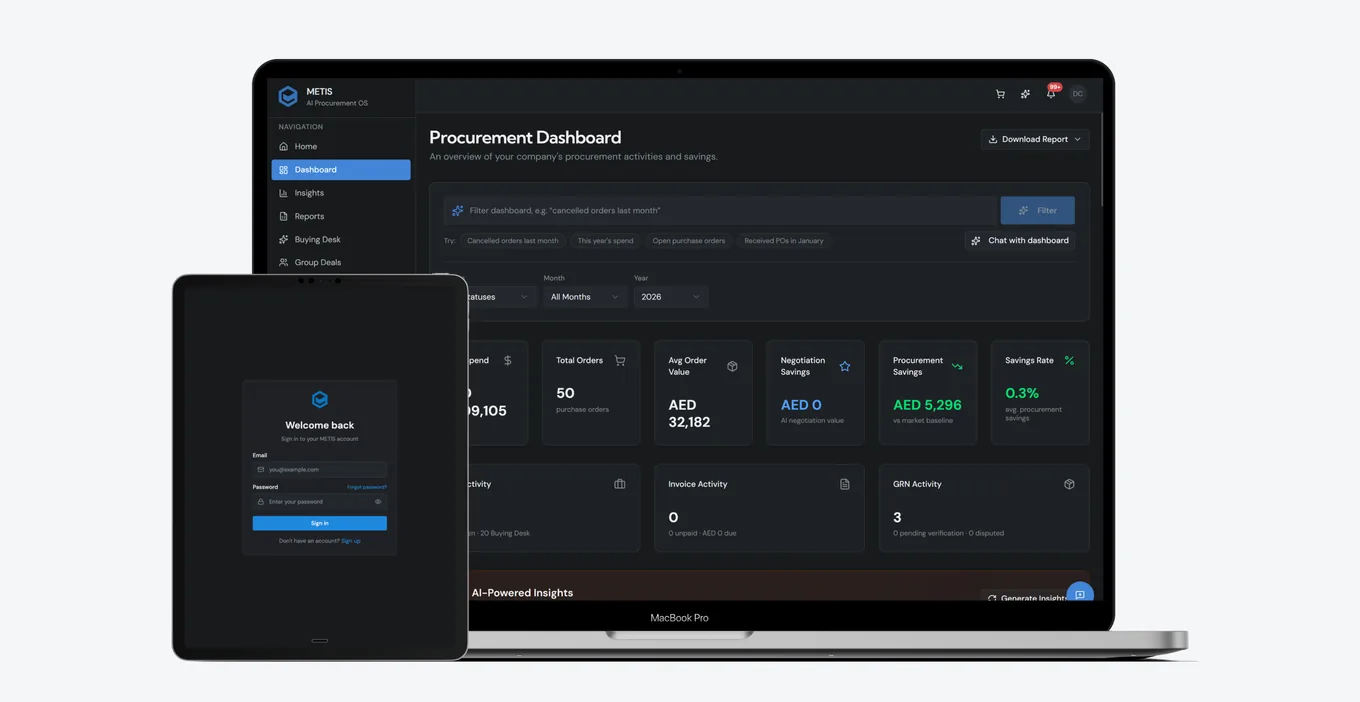
A tailored procurement platform spanning sourcing, RFQs and purchase orders.
View CollectiveSpend Case StudyChoose the Australian audience, buying situation and first useful workflow.
Prototype the core journey and assess uncertain integrations separately.
Agree scope, acceptance criteria, review windows and release responsibilities.
Release to the agreed pilot group, review use and decide the next investment.
A Product Pilot ($1,499 once) focuses on one workflow, core flows and prototype, build-ready requirements and an MVP roadmap. A Product Squad ($3,490 per month) supports ongoing product direction, design, engineering and iteration. An Embedded Product Unit (from $5,000 per month) adds capacity for larger products and multiple workstreams.
This service is delivered remotely for Australian founders and operators. We agree working-hour overlap and delivery responsibilities before kickoff; this page does not claim an Australian office.
The Product Pilot is US$1,499 once. The production build is scoped separately. Ongoing Product Squads cost US$3,490 per month; larger units start at US$5,000 per month.
The relevant public example here is Viewings, for a New Zealand client. Australian workflows, providers and requirements are assessed separately for your project.
We agree specific review windows and overlap before kickoff, including how daylight-saving changes affect meetings and responses.
Bring the customer workflow, current process, first users you can reach, any existing product and the release timing you have in mind.

If you have committed to a software venture and need a team to shape, build and keep improving it, start with a product conversation.
Human judgment. AI-native delivery. One team accountable from the first decision to every release.