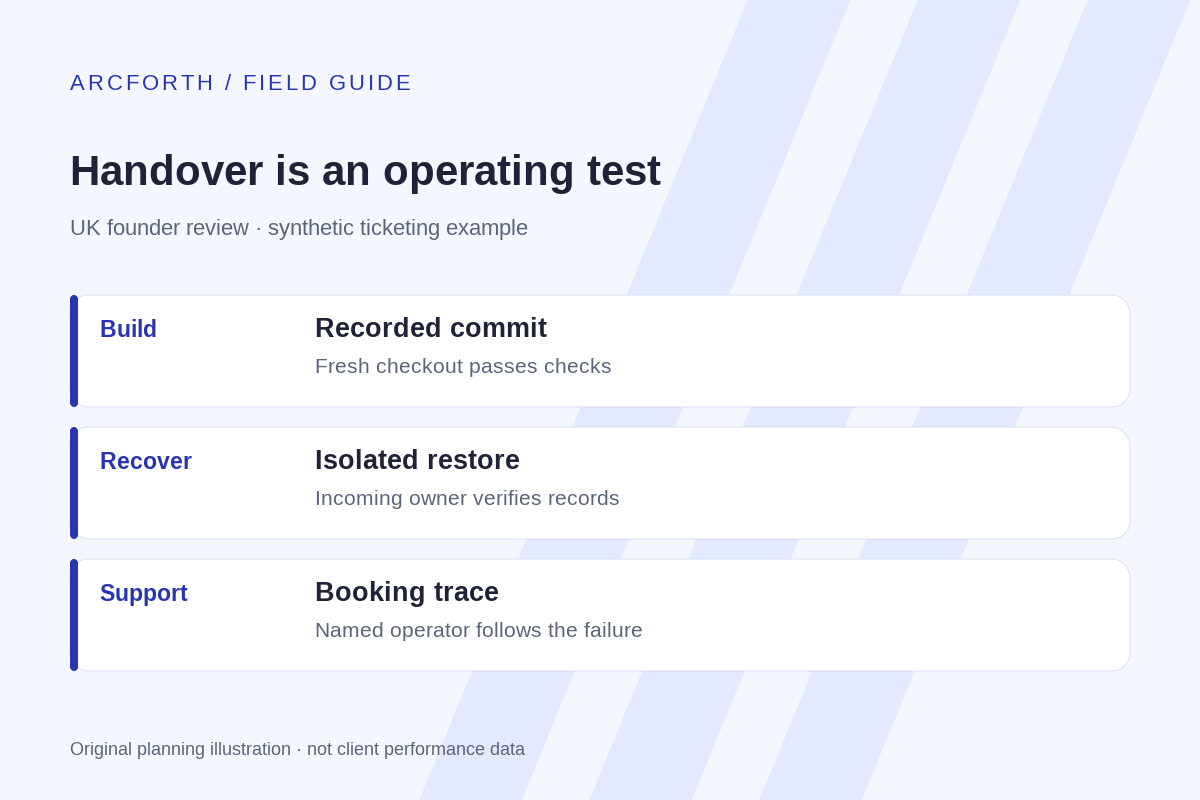
Prepare for the first production users
Define environments, provider ownership, deployment permissions and the evidence needed before inviting customers.

Services
Arcforth provides cloud infrastructure consulting for founders and product teams running AWS or hosted applications. We review runtime, databases, access, monitoring and recovery, then scope the changes needed to keep a real customer task working.
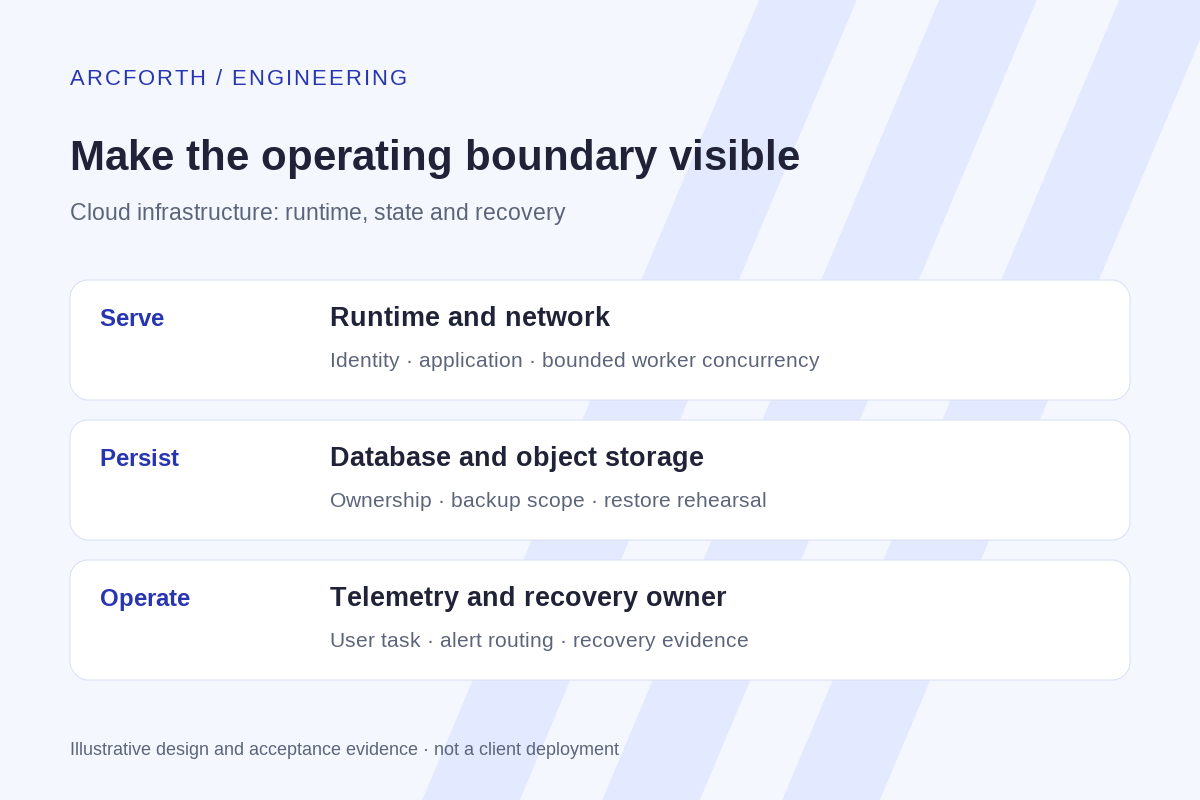
Define environments, provider ownership, deployment permissions and the evidence needed before inviting customers.
Trace a slow or failing customer journey across application, database, worker and external-provider boundaries.
Assign backup coverage, restore tests, cost drivers and an operator who can act on a meaningful alert.
Bring an architecture sketch, provider inventory and the task customers cannot afford to lose: placing an order, confirming a booking or receiving an accepted AI result. We map the request through the runtime, durable stores, workers and external systems. The output identifies what exists, what is assumed and what the first change must prove.
For an existing application, start with authorised read-only access and redacted operational evidence. Implementation access is granted for an agreed environment and period. Keep billing, domains and provider administration under the agreed client ownership model.
The scope can include environment separation, runtime configuration, network boundaries, secret references, database connections, queue limits, storage policies and operational dashboards. We record the configuration source, deployment route and person responsible for each component. AWS and Vercel are common starting contexts in our product work; other providers and migrations need an explicit account and workload review.
A useful handover contains the architecture decisions, environment inventory, release instructions, failure runbook and restore evidence. Provider bills remain separate from engineering fees. An account inventory records references and owners, never secret values.
A first review should turn an uncertain operating setup into a decision your team can act on. For a representative Node.js application with PostgreSQL, a background worker and uploaded files, we identify where requests enter, which services persist state, how deployments reach each runtime and which account owns the bill. We also record the assumptions that cannot be checked with the access supplied. This is an illustrative scope, not a claim that every client runs this stack.
The review output separates findings from proposed changes. Each finding names the affected customer task, observed evidence, consequence, recommended next action and person who must decide. The implementation brief then lists the configuration or code to change, safe fixtures, acceptance check, provider-cost assumption and handover item. That makes an infrastructure proposal comparable against the same operating boundary. It does not turn an initial conversation into an unpriced migration commitment.
For the database part, use our database architecture guide to review state ownership, access patterns and recovery. Use the database migration guide when the proposed change also affects the application schema. Cloud infrastructure consulting should leave the next operator with a tested route to manage the workload, rather than only an architecture image.
Bring the workload diagram, safe logs, deployment history and current cost categories to the scoping conversation. We agree which evidence can be reviewed without production access and which later tests need explicit authorisation. The resulting proposal states review work, implementation work, provider charges and any ongoing support as separate responsibilities.
Consider a synthetic order product with an application database and receipt uploads. Restore a permitted backup into an isolated test environment, reconnect a safe application build, and retrieve a known order with its receipt. Record the recovery point, elapsed time and missing dependencies. Define the acceptable recovery time and data-loss window with the business owner.
AWS backup guidance treats recovery rehearsal and protection of backup access as part of the capability. A successful database restore alone does not establish that uploads, configuration and application dependencies are recoverable. Use our cloud readiness checklist to record that evidence.
Record normal and peak request volume, concurrent jobs, database connections, file sizes, egress and retained telemetry. Load-test the agreed customer task with representative safe fixtures. Put limits on worker concurrency and provider calls before assuming that larger instances solve an overloaded dependency.
The infrastructure proposal should state the measured baseline, proposed change, provider-cost assumptions and acceptance threshold. It should also explain what happens when a dependency is unavailable. Work requiring production changes, a data migration or ongoing incident cover is scoped separately.
| Market | Decisions to agree before production |
|---|---|
| US | Eastern, Central or Pacific review window; provider region; incident contact |
| UK | UK review window; account and backup locations; incoming operator access |
| Dubai / UAE | Gulf Standard Time overlap; provider-region availability; Arabic needs if relevant |
| Europe | Specific country and language; every provider data path; responsible adviser review |
| Australia | Named local time zone and daylight saving; region latency; out-of-hours ownership |
We agree review overlap, escalation and any on-site work explicitly. These delivery arrangements do not imply local offices or a particular hosting region. Deployment and DevOps services cover the release path; AI infrastructure services cover retrieval, model and evaluation dependencies.
Review CollectiveSpend procurement workflows and Skalix AI product work for the kinds of operating journeys we build around. Those case studies show product scope, not a published infrastructure benchmark or availability guarantee.
Bring the current provider, application stack, traffic pattern, operational pain and next launch decision. Start with the downloadable review sheet, then agree whether the useful first engagement is an architecture review, a specific repair or an implementation scope.
If the workload includes continuing model or workflow changes, define the monthly responsibilities through AI as a Service. If an AI client needs a capability from a business application, MCP server development scopes the operation and its permissions. Keep the runtime owner, application authorisation and product release decision explicit.
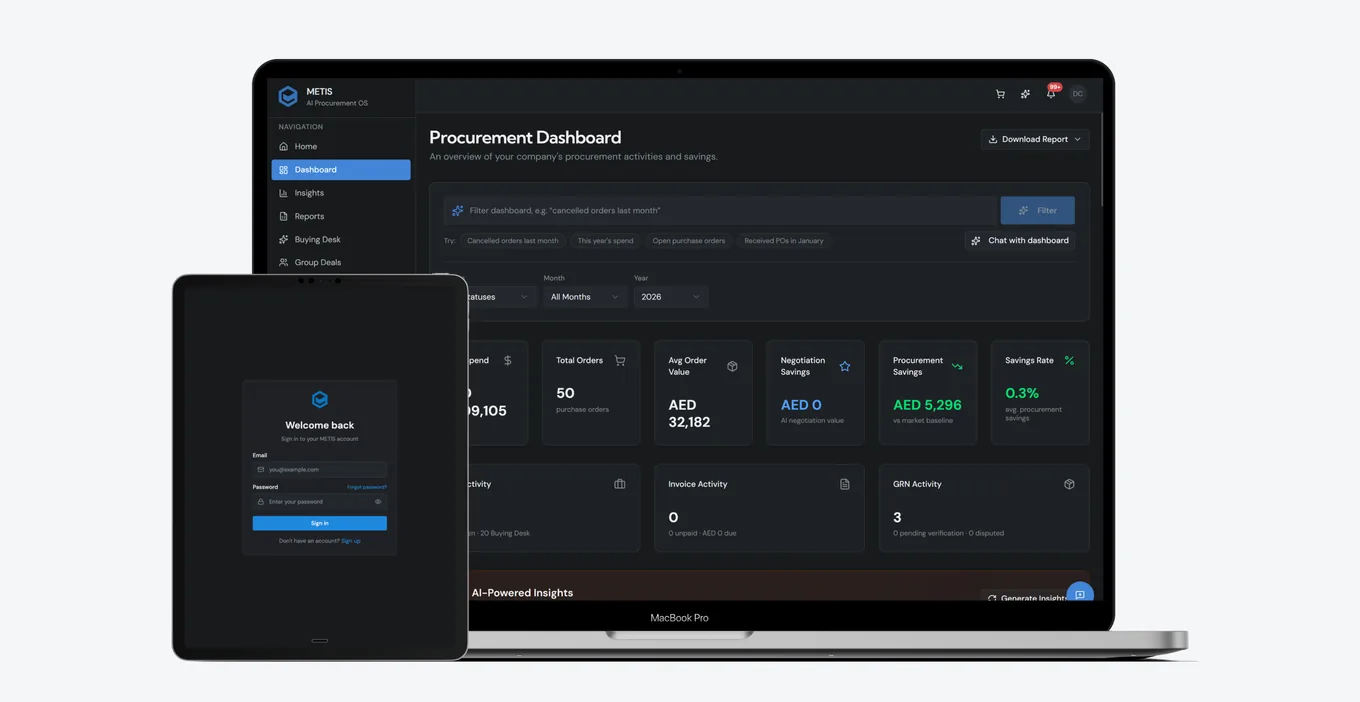
A tailored procurement platform spanning sourcing, RFQs and purchase orders.
View CollectiveSpend Case Study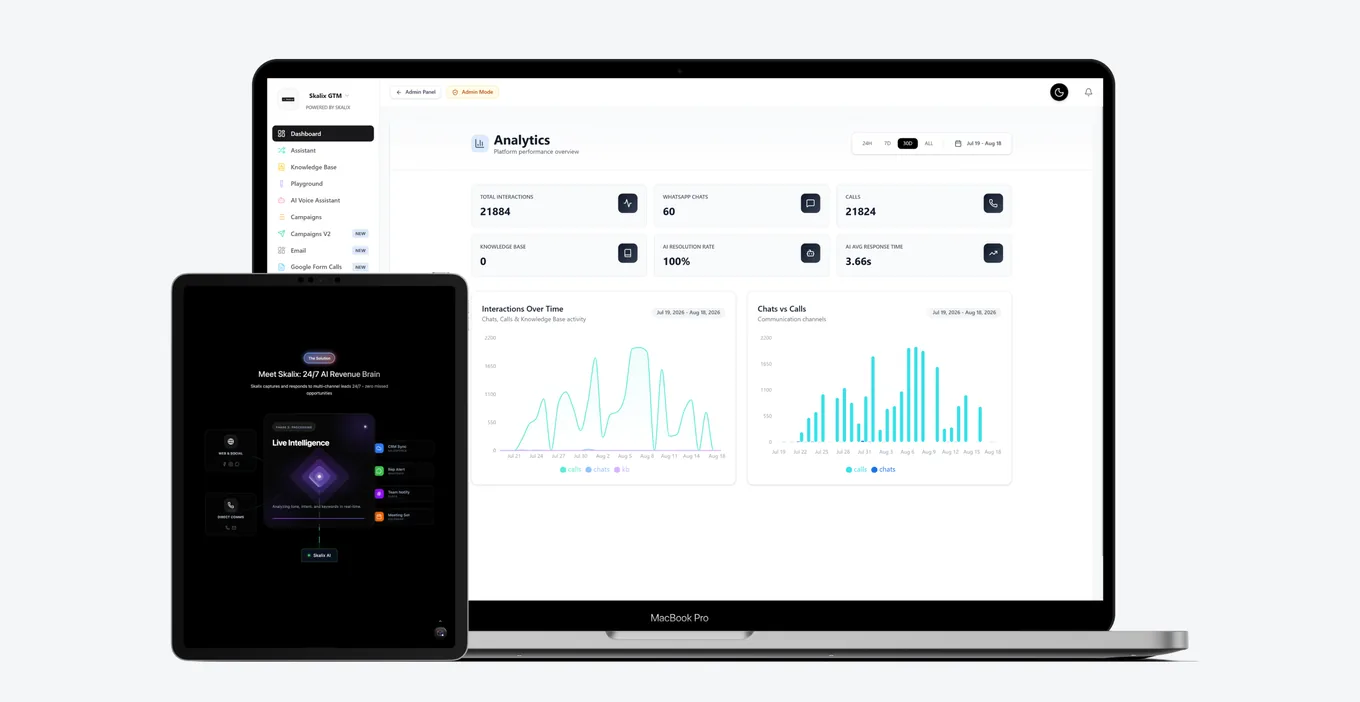
An AI-native revenue platform for calls, chat and customer follow-up.
View Skalix AI Case StudyMap the running workload, business-critical task, accounts and operating owner.
Agree representative traffic, failure cases, cost assumptions and acceptance evidence.
Implement the approved changes with reviewable configuration and a recovery rehearsal.
Release the agreed workload, review operational evidence and hand over the runbook.
Bring the running product, provider inventory and operational problem. We scope a review that produces a dependency map, prioritised findings and a recovery test plan. Agree the review fee and access boundary before work starts; implementation, provider bills and ongoing support are quoted separately.
Yes. Start with the current workload and authorised account review. Agree which runtime, database, network, delivery and recovery changes are in scope before implementation.
Support coverage and response commitments require a separate agreement. The first scope identifies the incident owner, escalation route and coverage window.
Review the database, model provider, logs, backups and support access separately. A region setting alone does not establish where every copy or access path exists.
Bring the current system outline, safe examples of the failing or unproven task, relevant provider documentation and the person who owns the operating decision. Do not send passwords or production customer exports.

Map the runtime, data stores and recovery route around a customer task your product needs to complete.
Agree the first deliverable, access and operating responsibilities before implementation.