Move a demo into a controlled workload
Add server-side access boundaries, safe configuration, traffic limits and acceptance evidence around the model call.

Services
Arcforth provides AI infrastructure consulting for teams taking LLM features, document assistants and agent workflows into production. We scope permission-aware retrieval, model calls, queues, evaluation and operating costs around a completed customer task.
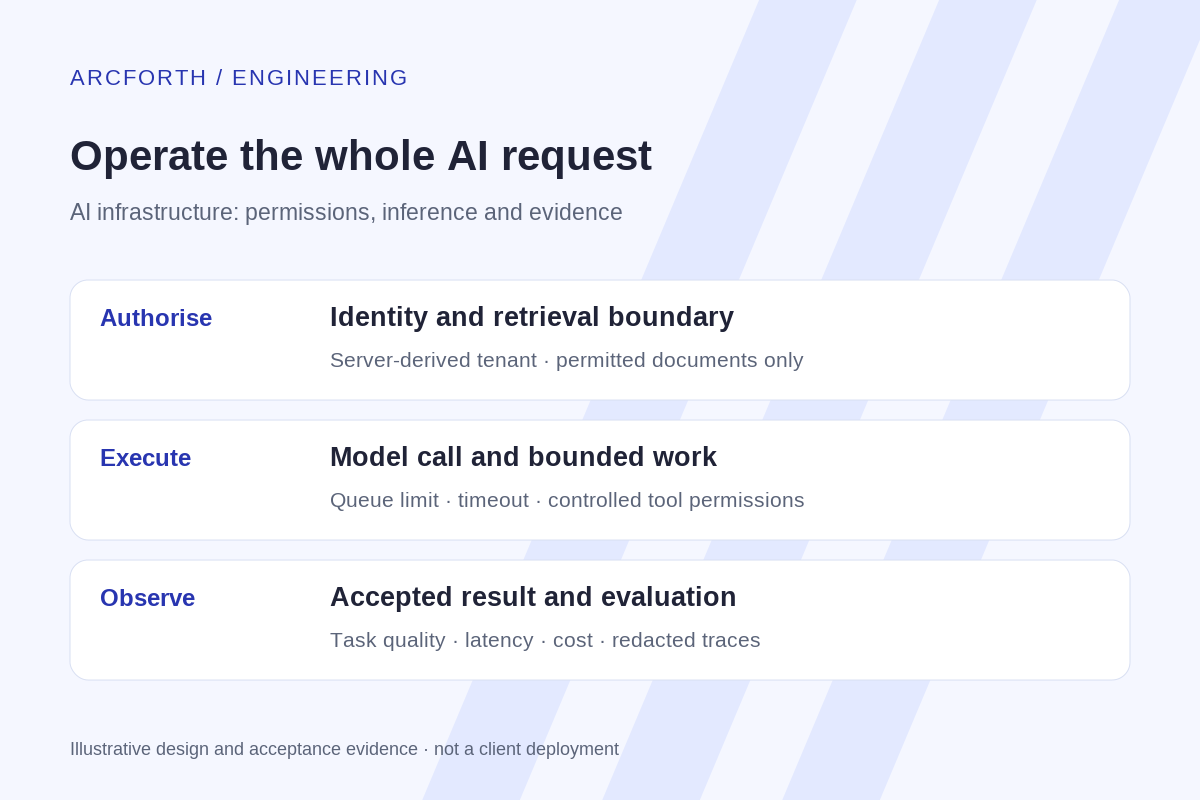
Add server-side access boundaries, safe configuration, traffic limits and acceptance evidence around the model call.
Connect identity, document access and retrieval filters before material reaches the model or a shared cache.
Measure accepted outcomes, queue delay, model latency and cost per completed task across releases.
A production request can involve authentication, document extraction, retrieval, model inference, tool calls, a review queue and a durable business update. We map those dependencies and decide which component owns timeouts, retries and cancellation. The design records the accepted output and which changes require human approval.
The scope can include a model gateway, asynchronous processing, permission-aware retrieval, evaluation fixtures, operational traces and budget limits. Start with managed APIs when they meet the task; assess dedicated inference only when workload evidence justifies its operating complexity. This service does not promise a GPU cluster or model training programme by default.
For a synthetic document assistant serving two organisations, derive the tenant and user permissions from trusted application state. Apply those permissions before retrieving documents and partition caches by the required access boundary. A model-generated tenant name must not decide which customer records are returned.
Microsoft’s multitenant RAG architecture guidance explains permission-aware grounding. Rehearse a direct request for another organisation’s document, an export and a cached result. The acceptance record should show a denied server-side access path, not only a hidden navigation item.
For an illustrative document assistant, agree one organisation boundary, one document type and one accepted user task before expanding the platform. The application authenticates the user, derives their organisation from trusted identity, retrieves only permitted document versions and calls the configured model. An answer records the evidence reference and remains separate from any authorised change to an external business system.
A proposed first traffic policy might allow ten active background jobs and one additional retry per task, with the next request visibly queued. Those numbers are synthetic design choices to test, not measured provider capacity or Arcforth service limits. Record what happens when a user cancels, a provider times out after possible success, or the queue cannot accept more work. Give the operator a bounded reference and a permitted recovery action without copying the customer document into general logs.
The first evaluation compares the candidate configuration against the same safe examples: a permitted answer, missing evidence, a conflicting document version and an attempted cross-organisation lookup. Record accepted-task results, delay, resource use and the reason an example failed. This makes changes to prompts, retrieval settings and model versions reviewable. Our agent workflow guide explains the additional boundary when tools can act on business records.
AI infrastructure consulting here focuses on LLM application operations, commonly called LLMOps, and the retrieval layer around RAG. A model-training programme, dedicated GPU estate or broader MLOps platform needs its own workload assessment and implementation scope. The proposal should say which layer is being delivered, which account controls it and who operates it after handover.
Measure the number of model calls per task, input and output tokens, retrieval operations, concurrency, timeout rate and rework. Include unsuccessful attempts and human review in the operating model. A cheap response that cannot complete the user task is not a useful cost denominator.
Our AI infrastructure cost-planning guide uses explicit fictional rates and a reproducible calculation. Use the existing LLM workload planning tool with your own provider terms; its output is an estimate, not a quote. Define a per-task limit, queue policy and operator response when that limit is reached.
Record a bounded request reference, model/configuration version, retrieval outcome, timing, error category and accepted result. Keep secrets and customer documents out of general operational logs. Agree what may be retained, for how long, and who may inspect it. AWS guidance on monitoring generative AI layers supports observing the application and supporting services together.
Use representative safe examples before changing a prompt, retrieval setting, model or tool permission. Track quality failures alongside latency and cost. Test provider unavailability and repeat delivery without permitting duplicate business actions. A fallback model is another configuration to evaluate, not an assumed equivalent.
For US, UK, Dubai/UAE, European and Australian customers, inspect the actual model service, storage, logs, backups and support access separately. Availability, retention controls and hosting options depend on the provider and account. Do not describe a region choice as a complete data-residency or compliance conclusion.
The AI vendor data-flow review provides a record for engineering and responsible adviser review. Agree language requirements, review overlap and incident coverage in the proposal. Production access and any real customer data require a separate authorised scope.
Bring one customer task, safe input/output examples, expected normal and peak traffic, current providers and the decision causing difficulty. Review Skalix AI and CollectiveSpend as related product work; the public cases do not expose or verify every infrastructure control described here.
For a new customer-facing capability, pair this work with AI feature integration. For the underlying runtime and database, use cloud infrastructure services. Agree the first workload and acceptance evidence before widening the architecture.
For ongoing implementation and evaluation, AI as a Service defines the continuing delivery scope. For a model using tools to complete a business task, AI agent development connects the permitted action, approval and recovery path. Use the same task identity when reviewing accepted outcomes and operating cost.
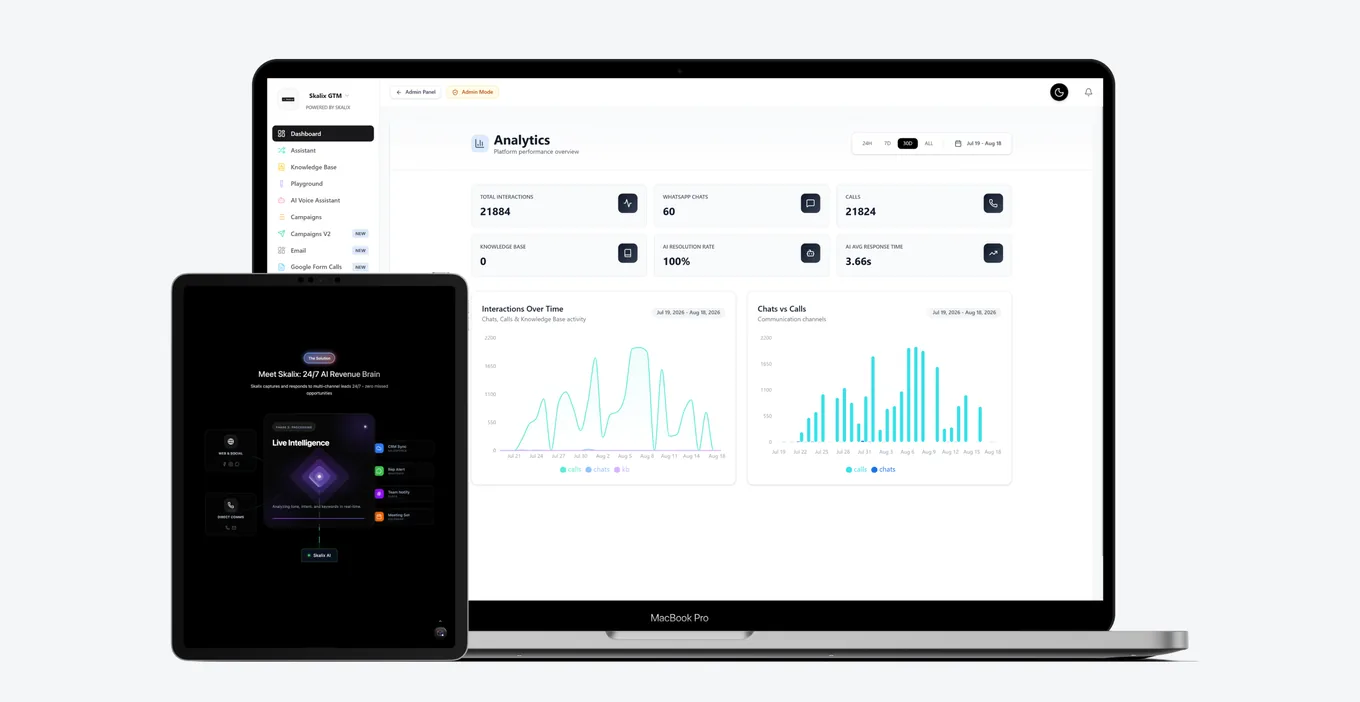
An AI-native revenue platform for calls, chat and customer follow-up.
View Skalix AI Case Study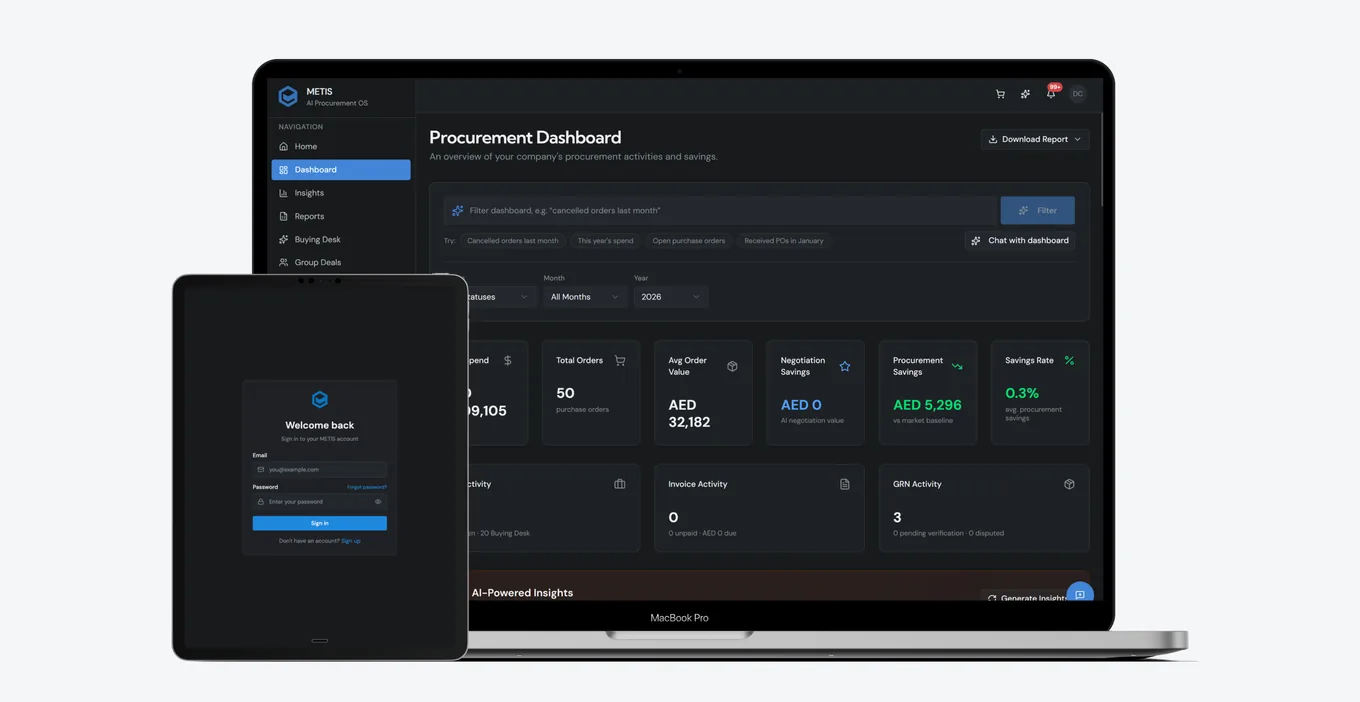
A tailored procurement platform spanning sourcing, RFQs and purchase orders.
View CollectiveSpend Case StudyMap the running workload, business-critical task, accounts and operating owner.
Agree representative traffic, failure cases, cost assumptions and acceptance evidence.
Implement the approved changes with reviewable configuration and a recovery rehearsal.
Release the agreed workload, review operational evidence and hand over the runbook.
Bring one accepted task, safe examples, current providers and expected traffic. We scope the request path, access tests, evaluation cases and operating-cost model. Agree implementation, production access and incident coverage separately from the review; provider usage is billed under your own account terms.
Not automatically. Compare managed model APIs and hosted inference against task quality, data handling, concurrency, latency and total operating costs before choosing infrastructure.
This service covers the operating layer around the feature: access boundaries, retrieval, queues, model calls, evaluation, telemetry and release controls. Product design and a new feature can be included in a separate agreed scope.
No. Define accepted task outcomes, evaluation examples, abstention rules and human approval where needed. Infrastructure controls support those decisions; they do not prove every output is correct.
Bring the current system outline, safe examples of the failing or unproven task, relevant provider documentation and the person who owns the operating decision. Do not send passwords or production customer exports.

Define permissions, retrieval, evaluation and cost limits around one accepted customer task.
Agree the first deliverable, access and operating responsibilities before implementation.