Assist the operator
Search permitted records, prepare a supported draft and show the evidence a reviewer needs.

Services
Arcforth provides AI agent development for teams connecting models to real business workflows. We define the task, permitted tools, approval decisions and recovery path, then build an agent your operators can evaluate through completed work.
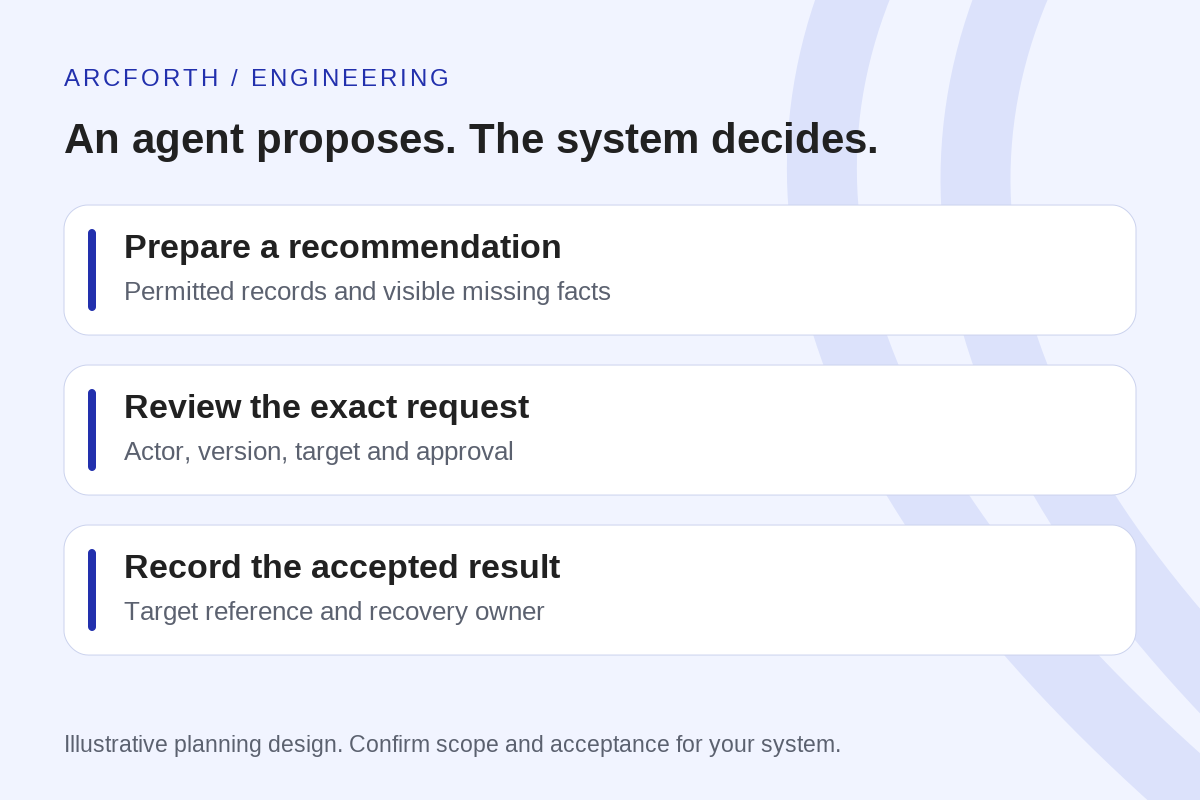
Search permitted records, prepare a supported draft and show the evidence a reviewer needs.
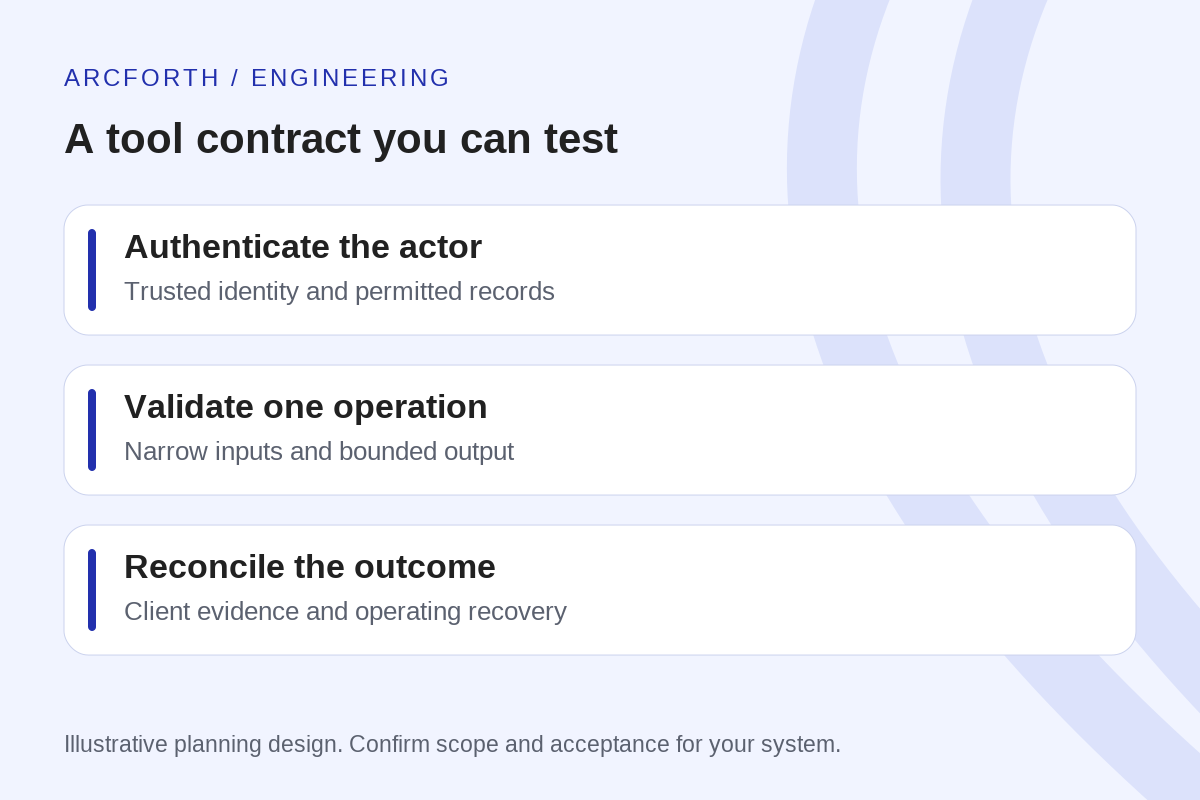
Connect one explicitly authorised business action with validation and an observable target result.
Keep the task identity across retries and give an operator a way to reconcile a partial result.
Describe the business task before selecting an orchestration framework. A useful first agent might prepare a supplier comparison, look up a support case or draft a follow-up after a customer conversation. Identify which steps are suggestions and which steps create an external consequence. Give the application a way to decide whether an action is permitted without relying on a model’s interpretation of its own instructions.
Write down the authenticated actor, permitted records, tool inputs, accepted result and exceptions that need a person. A good demonstration can be deliberately small: one department, one record type and one operator decision. That boundary makes it easier to observe where an agent helps and where a simpler deterministic workflow would be more dependable.
In an illustrative UAE buying workflow, a requester needs twenty items by a required date. Suppliers submit different pack sizes, freight terms and quote versions. An agent can prepare structured differences and identify missing facts. The buying rules determine which offers are comparable; the approver chooses a specific version. A rewritten explanation does not silently change the quantity or the approved commercial terms.
The Dubai AI procurement automation guide follows a changed offer through review, stale approval and ERP handoff. Try the existing procurement quote comparison demo with synthetic inputs to inspect the underlying comparison rules. The demo is deterministic: it demonstrates business logic for an agent to respect, not a live autonomous purchasing system.
Keep tool schemas narrow and validate every submitted value against the authenticated actor and current system state. Separate a search from a write. An agent reading a supplier document should not gain the ability to change bank details or approve a purchase. Record which operations require review and whether an approval expires when an input changes.
AWS guidance on agent execution describes independent action authorisation and review of the exact request. Apply that principle to your own system boundary. If several applications need the same tool surface, MCP server development can provide an explicit integration contract; the protocol does not replace the application’s permissions.
Use safe examples for a correct task, missing evidence, contradictory sources, an expired approval and a provider timeout. Include a write whose response is lost after the target system may have succeeded. Reconcile the target reference before trying again. The task’s identity should survive repeated delivery, a resumed session and an operator taking over from the agent.
The production agent workflow guide explains state and review responsibilities. Pair it with LLM evaluation and AI pilot measurement before treating a persuasive transcript as acceptance evidence. Define the accepted business outcome, reviewer effort and cost boundary before selecting a larger launch audience.
Skalix AI provides related experience in AI conversations, follow-up and CRM workflows. CollectiveSpend provides procurement product interfaces around requests, quotes and approval states. These are useful starting points for discussing a new scope. They do not establish that a proposed procurement agent has already been deployed or produced measured savings.
During discovery, map what can be reused and what needs its own implementation. A voice workflow, supplier comparison and document assistant have different acceptance criteria. The right first release can retain human review over a consequential step while automating the information gathering around it. The operating team should understand where a result came from and what they may correct.
A new agent workflow needs product definition, implementation and evaluation. A team maintaining an existing workflow may need AI as a Service for continuing improvements. A runtime or retrieval bottleneck belongs in AI infrastructure consulting. Keep these responsibilities distinct enough that a proposal can identify what is included and what remains with your team.
For US and UK customers, agree review schedules and the technical owner who approves integrations. For Dubai/UAE, include Gulf Standard Time meetings, relevant operator languages and the actual ERP or supplier system. Confirm provider availability and data paths for every market. The engagement defines the first deliverable, system access, release decision and support boundary before any production action is authorised.
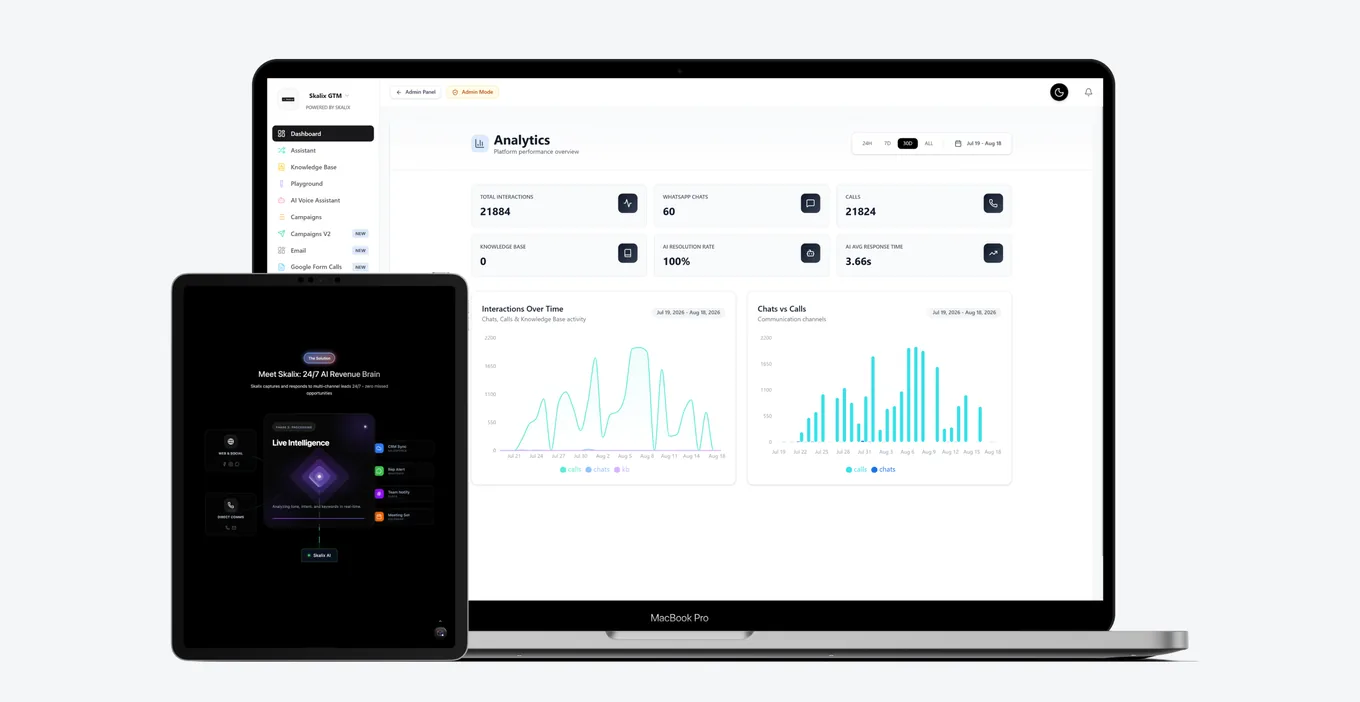
An AI-native revenue platform for calls, chat and customer follow-up.
View Skalix AI Case Study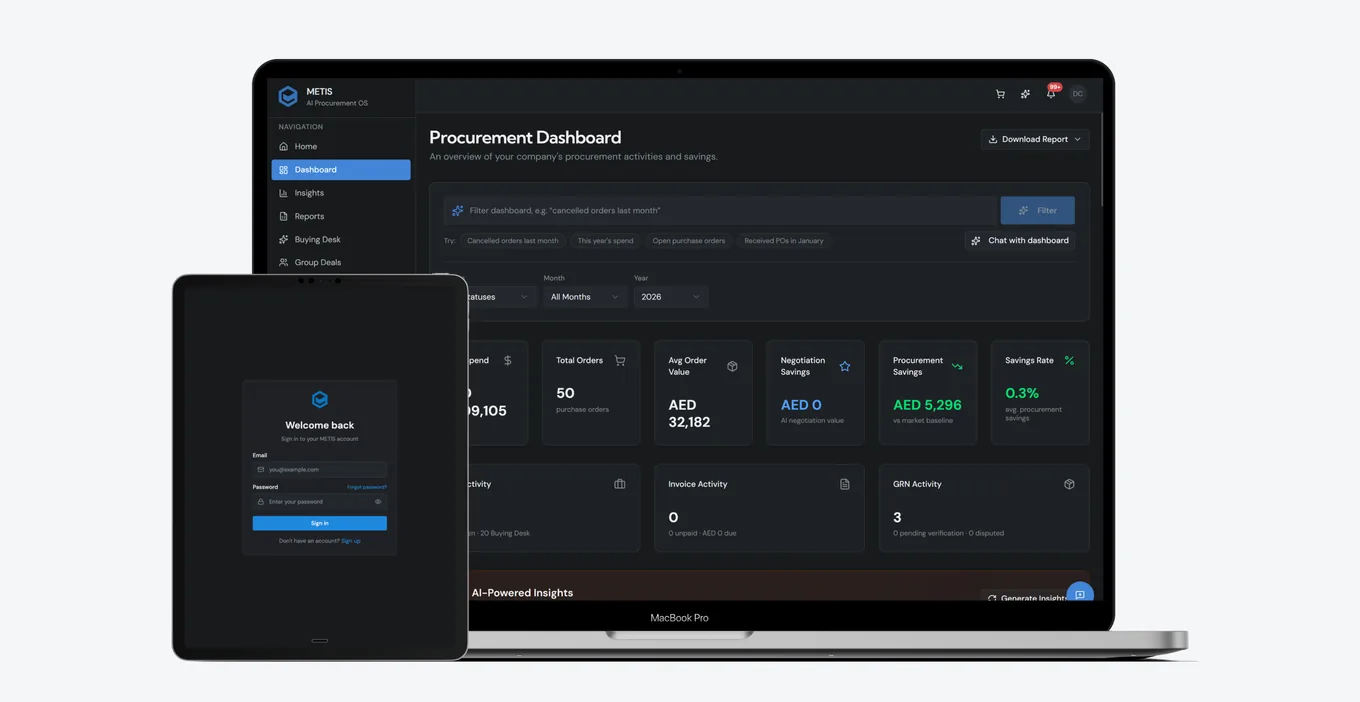
A tailored procurement platform spanning sourcing, RFQs and purchase orders.
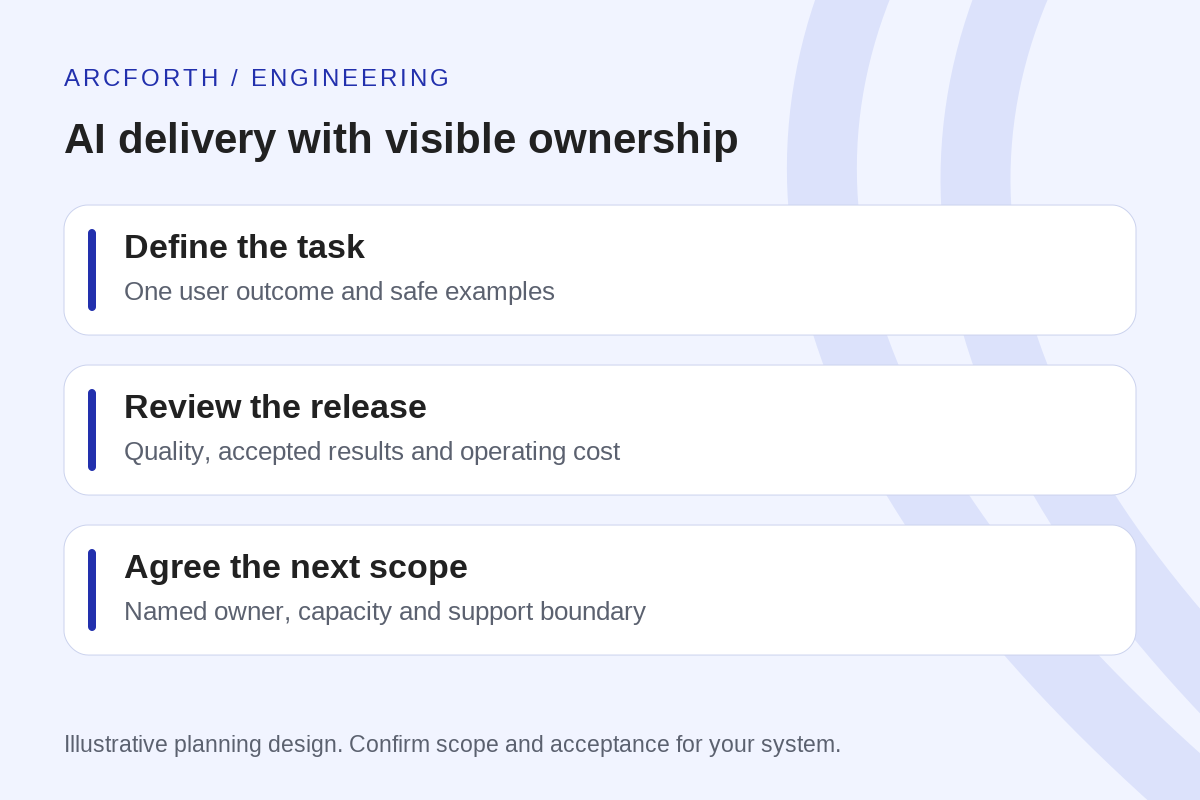
View CollectiveSpend Case StudyDefine the user task, system owner and permitted data or action.
Test safe examples and agree the acceptance evidence and exclusions.
Implement the agreed workflow, evaluation and release controls.
Review accepted results, operating responsibilities and the next change.
Bring one task, permitted tools, safe inputs and the operator who accepts the result. Agree the first evaluation and implementation scope, including provider charges and production-action permissions.
Any purchasing action needs an agreed business policy, authenticated authority and an implementation that enforces those decisions. A first release can prepare comparisons while leaving commitment and approval with authorised people.
Begin with the task and dependencies. A single bounded workflow may be sufficient; additional agents need a specific responsibility and evidence that the added coordination is useful.
A reviewable workflow and action map, representative evaluation cases and an implementation scope. The proposal confirms which prototype, integration or release work follows.
Measure completion of the defined business task, correction effort, exceptions, operating cost and failure recovery. Model responses and tool-call counts alone do not establish useful business outcomes.

Connect the task, permitted tools and reviewer to an accepted result your operators can inspect.
Agree the first deliverable, access and operating responsibilities before implementation.